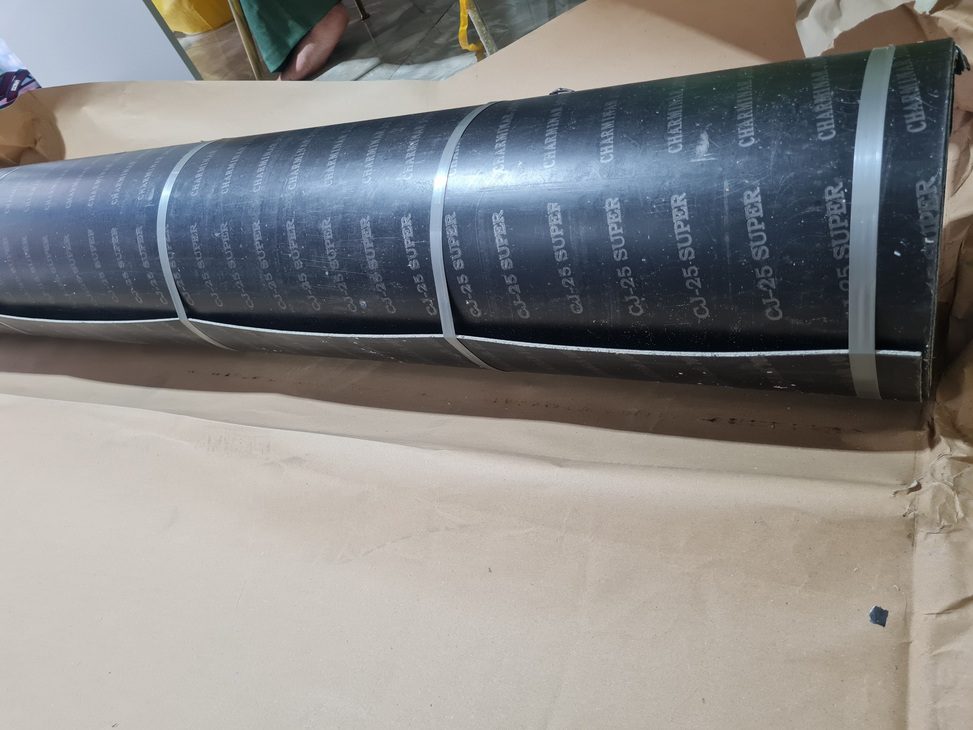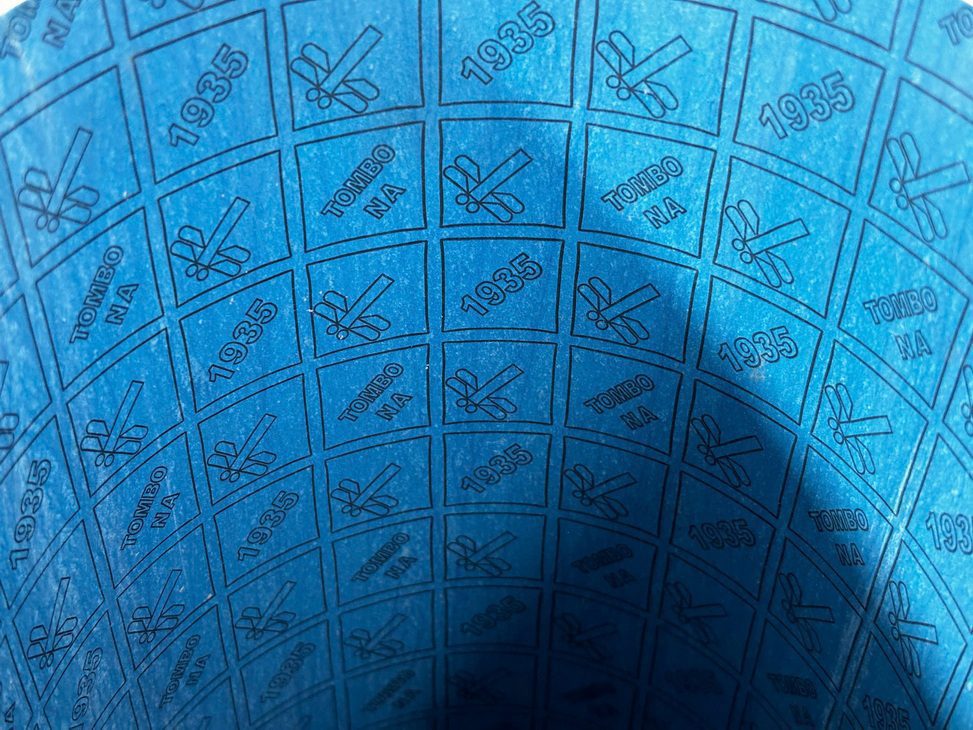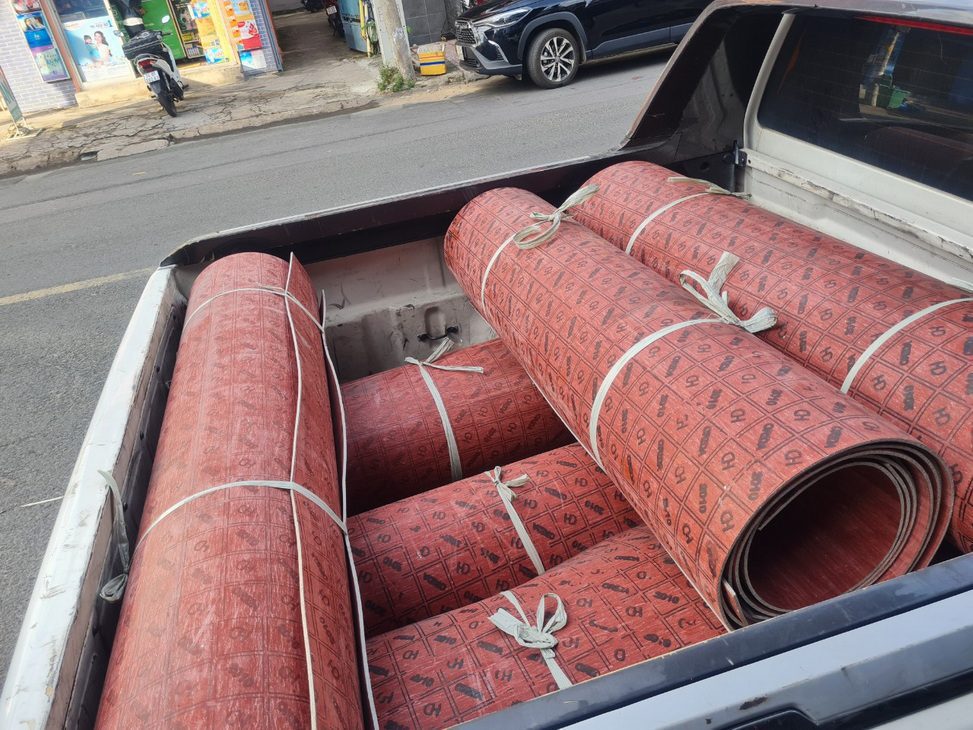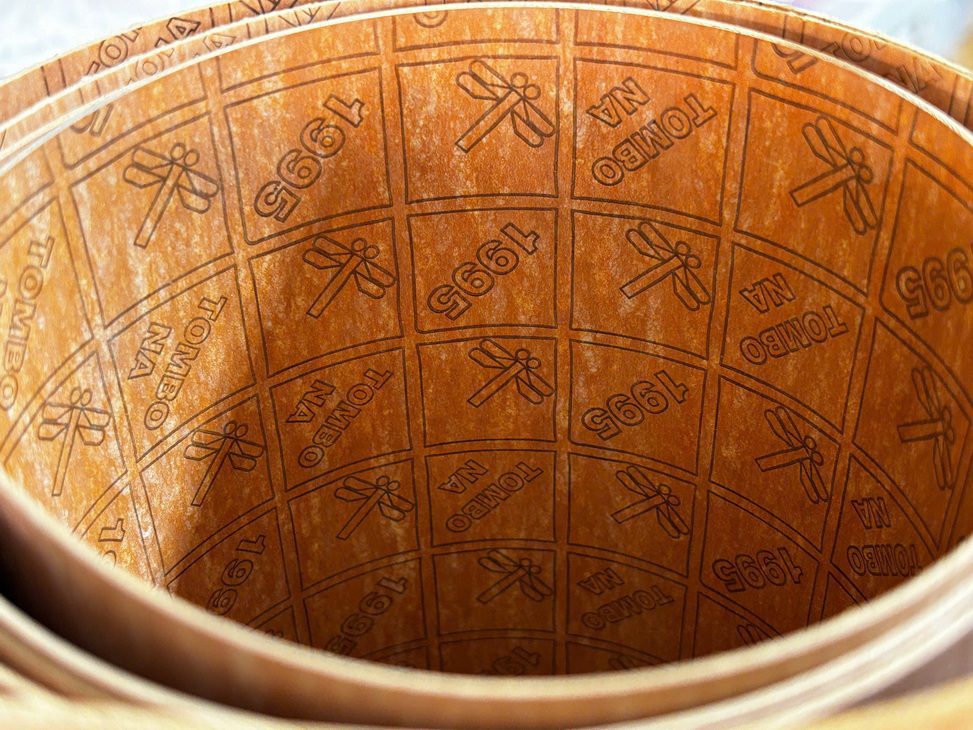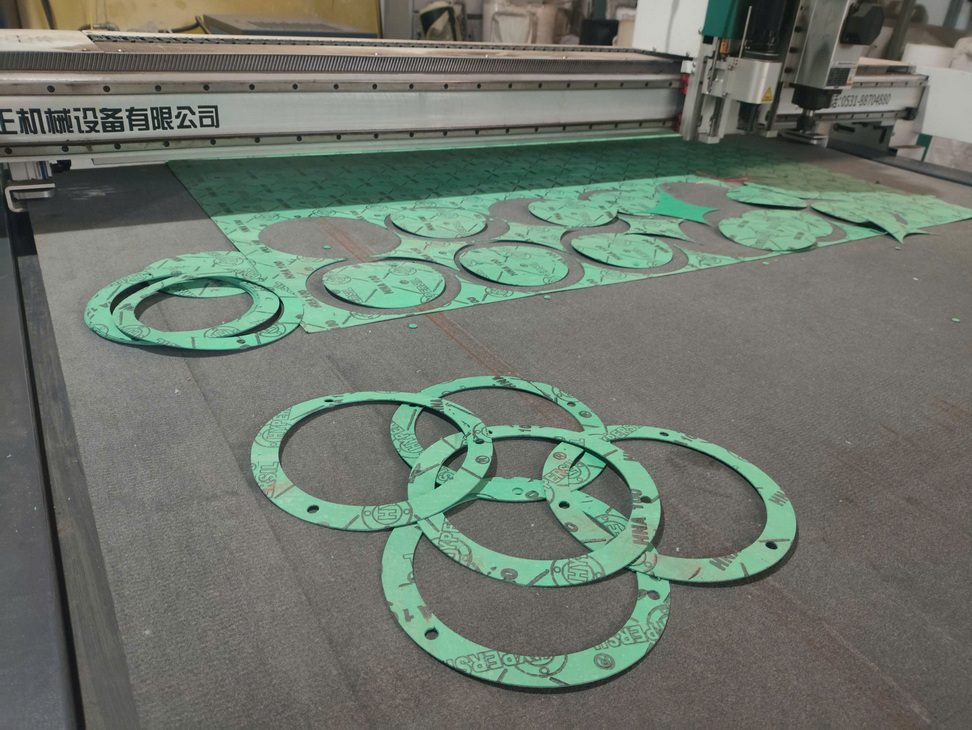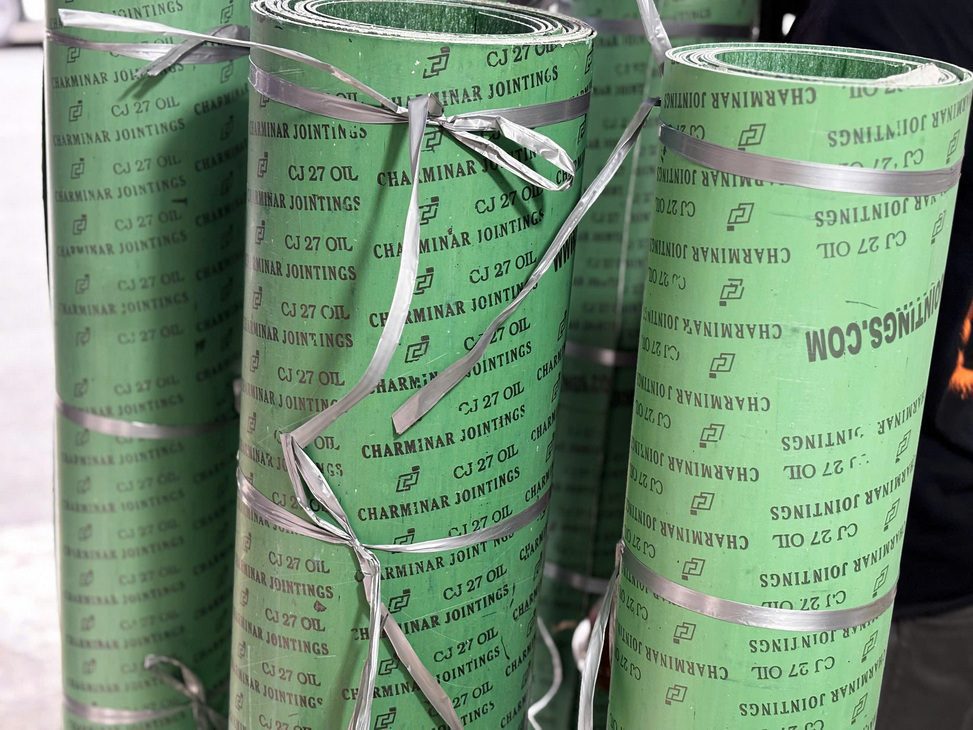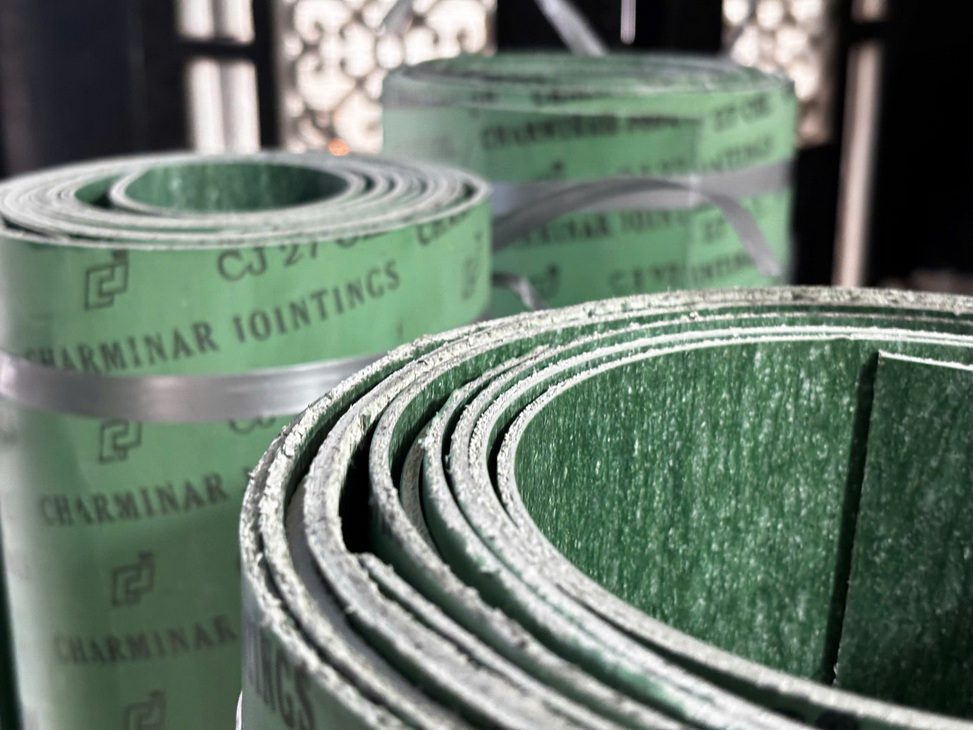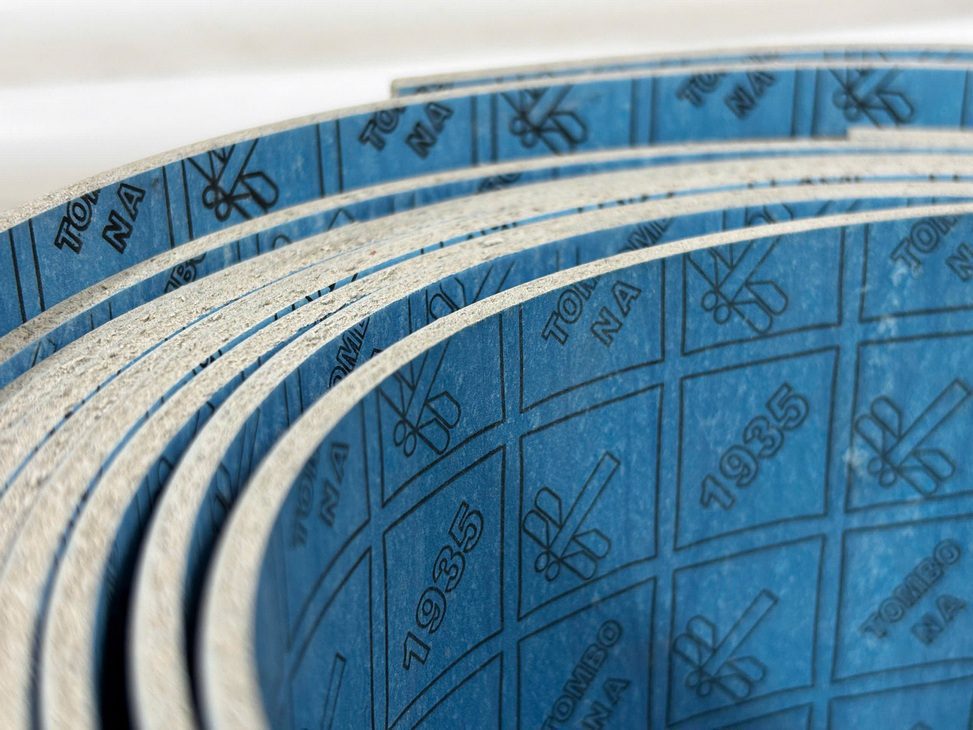
Gioăng Amiang – Giải Pháp Seal Chuyên Nghiệp\\\\n\\\\nMeta Title: Gioăng Amiang – Giải Pháp Seal Chuyên Nghiệp | Amiang.net\\\\n\\\\nMeta Description: Hướng dẫn toàn diện về gioăng amiang: phân loại, thông số kỹ thuật, ứng dụng theo ngành, tiêu chuẩn chất lượng và hướng dẫn lựa chọn installation.\\\\n\\\\nFocus Keyword: gioăng amiang\\\\n\\\\n—\\\\n\\\\n## Giới Thiệu\\\\n\\\\nGioăng amiang (asbestos-free gasket) đại diện cho giải pháp seal quan trọng trong các hệ thống đường ống, thiết bị áp lực và ứng dụng công nghiệp. Được phát triển để thay thế gioăng amiang truyền thống có chứa asbest, các sản phẩm gioăng hiện đại kết hợp sợi tổng hợp, chất độn và chất kết dính để tạo ra vật liệu seal hiệu suất cao. Với khả năng chịu nhiệt độ từ -100°C đến +550°C, áp suất làm việc lên đến PN400 và khả năng chống rò rỉ xuống mức 0.1 mg/s/m, gioăng amiang đáp ứng yêu cầu khắt khe của các ngành hóa chất, dầu khí, xử lý nước, thực phẩm, dược phẩm và năng lượng. Bài viết này cung cấp phân tích toàn diện về nguyên lý hoạt động, phân loại vật liệu, đặc tính kỹ thuật, tiêu chuẩn chất lượng quốc tế và hướng dẫn lựa chọn installation cho các ứng dụng sealing chuyên nghiệp.\\\\n\\\\n—\\\\n\\\\n## 1. Gioăng Amiang Là Gì?\\\\n\\\\nGioăng amiang (non-asbestos gasket) là vật liệu seal dạng tấm được sản xuất từ sợi tổng hợp (aramid, cellulose, glass fiber), chất độn (carbonate, silicate) và chất kết dính (cao su NBR, EPDM, SBR) qua quá trình cán nén nhiệt độ và áp suất cao. Thuật ngữ “gioăng” trong ngành sealing industry chỉ các sản phẩm seal có độ dày từ 0.4mm đến 5mm, được cắt từ tấm bìa (sheet gasket) theo hình dạng cụ thể để phù hợp với mặt bích (flange), van (valve), bơm (pump) hoặc các bề mặt cần seal.\\\\n\\\\nSự phân biệt giữa “gioăng” và “ron” thường gây nhầm lẫn trong thực tế. Gioăng (gasket) là sản phẩm seal tĩnh (static seal) dạng phẳng, sử dụng cho các mối nối không chuyển động như flange joint, manhole cover, inspection port. Ron (seal) bao gồm cả seal động (dynamic seal) như O-ring, oil seal, mechanical seal cho các bộ phận quay hoặc di chuyển. Cả hai đều có vai trò ngăn chặn rò rỉ chất lỏng, khí hoặc hơi trong hệ thống kín.\\\\n\\\\nVai trò của gioăng amiang trong hệ thống công nghiệp bao gồm: (1) Tạo lớp seal chịu áp suất giữa hai bề mặt kim loại không hoàn toàn phẳng, (2) Bù đắp sai số gia công và biến dạng nhiệt của flange, (3) Chống rò rỉ môi trường nguy hiểm (acid, alkali, solvent, gas độc), (4) Chịu nhiệt độ và áp suất làm việc của hệ thống, (5) Duy trì tính toàn vẹn seal qua nhiều chu kỳ nhiệt và áp suất. Theo ASTM F104, gioăng phải đảm bảo leak tightness dưới 10 mg/s/m ở áp suất và nhiệt độ định mức.\\\\n\\\\nCấu trúc gioăng amiang bao gồm ba thành phần chính: sợi gia cường (60-75% thể tích) cung cấp độ bền kéo và chịu nhiệt, chất độn (15-25%) tăng khả năng chống hóa chất và giảm permeability, chất kết dính cao su (10-20%) tạo tính đàn hồi và khả năng seal. Quá trình sản xuất sử dụng công nghệ calendering với nhiệt độ 180-220°C và áp suất cán 50-150 bar để tạo mật độ đồng nhất 1.6-2.2 g/cm³ và độ nén phục hồi (compression recovery) từ 15% đến 35% theo EN 13555.\\\\n\\\\n—\\\\n\\\\n## 2. Nguyên Lý Hoạt Động\\\\n\\\\nCơ chế seal của gioăng amiang dựa trên nguyên lý biến dạng đàn hồi dưới tải trọng nén (compression load). Khi bolt tightening tạo áp lực lên mặt bích, gioăng bị nén và lấp đầy các vi khe hở (micro-gap) trên bề mặt flange, tạo vùng tiếp xúc liên tục ngăn chặn đường dẫn rò rỉ. Theo mô hình Poiseuille flow, tốc độ rò rỉ qua khe hở tỷ lệ với bình phương khoảng cách khe, do đó việc giảm gap từ 50μm xuống 5μm có thể giảm leak rate 100 lần.\\\\n\\\\nQuá trình compression của gioăng xảy ra theo ba giai đoạn: (1) Elastic deformation (0-20% nén) – Sợi và cao su biến dạng đàn hồi, contact pressure tăng tuyến tính, (2) Plastic deformation (20-50% nén) – Sợi bắt đầu gãy, chất độn tái phân bố, contact stress tăng phi tuyến, (3) Densification (>50% nén) – Vật liệu đạt mật độ tối đa, modulus tăng mạnh, nguy cơ blow-out. Operating compression thường duy trì ở 25-45% để cân bằng giữa sealing force và recovery capability.\\\\n\\\\nKhả năng phục hồi (compression recovery) quyết định tuổi thọ seal. Khi áp suất hệ thống dao động hoặc nhiệt độ thay đổi làm flange giãn nở/co rút, gioăng phải duy trì contact pressure đủ lớn để ngăn rò rỉ. Recovery được đo theo EN 13555: nén mẫu đến 50% trong 24 giờ ở nhiệt độ định mức, sau đó giải phóng tải và đo độ dày phục hồi. Gioăng CAF thường có recovery 15-20%, NAF EPDM đạt 25-30%, NAF Viton 20-25%. Recovery thấp dẫn đến hiện tượng stress relaxation và mất seal theo thời gian.\\\\n\\\\nBlow-out resistance là khả năng chống đẩy tống gioăng ra khỏi flange joint dưới áp suất nội. Theo ASTM F36, blow-out xảy ra khi: (1) Bolt stress không đủ để giữ gioăng, (2) Vật liệu gioăng quá mềm và bị đùn qua gap giữa hai flange face, (3) Nhiệt độ cao làm giảm modulus vật liệu. Blow-out pressure thường gấp 1.5-2 lần working pressure. Gioăng có độ cứng (hardness) 75-90 Shore A và tensile strength >15 MPa có blow-out resistance tốt hơn.\\\\n\\\\nLeak tightness được đánh giá theo tightness class L0.01 đến L10 (EN 13555), với L0.01 yêu cầu leak rate <0.01 mg/s/m - mức ultra-tight cho gas độc hoặc môi trường nguy hiểm. Để đạt tightness cao cần: (1) Surface finish Ra <3.2μm, (2) Flange flatness deviation <0.05mm, (3) Bolt torque đồng đều ±10%, (4) Gioăng có compression set <30% sau 1000 giờ. Testing thường sử dụng helium leak detector hoặc pressure decay test theo ASTM E1003.\\\\n\\\\n---\\\\n\\\\n## 3. Phân Loại Theo Vật Liệu\\\\n\\\\n### 3.1 Gioăng CAF (Compressed Asbestos-Free)\\\\n\\\\nGioăng CAF sử dụng sợi aramid (Kevlar, Twaron) hoặc cellulose làm cốt gia cường, kết hợp cao su NBR (nitrile rubber) có khả năng chống dầu. Thành phần điển hình: aramid fiber 65%, carbonate filler 20%, NBR binder 15%. Nhiệt độ làm việc từ -50°C đến +250°C, áp suất tối đa PN40 (40 bar). Tensile strength 18-25 MPa, compressibility 15-25%, recovery 15-20% theo ASTM F36.\\\\n\\\\nƯu điểm CAF: (1) Giá thành thấp nhất trong các loại gioăng amiang, (2) Gia công dễ dàng, cắt bằng dao hoặc khuôn cắt, (3) Khả năng seal tốt với oil, fuel, hydraulic fluid, (4) Độ bền cơ học cao, chịu rung động. Nhược điểm: (1) Không chịu acid mạnh (H2SO4 >50%, HCl >20%), (2) Giới hạn nhiệt độ thấp hơn NAF, (3) Swelling trong solvent thơm (benzene, toluene), (4) Không đạt FDA cho thực phẩm.\\\\n\\\\nỨng dụng CAF: Hệ thống dầu nhớt công nghiệp, flange đường ống nước, HVAC system, máy nén khí, thiết bị cơ khí phổ thông. Phù hợp cho môi trường công nghiệp nhẹ không có hóa chất ăn mòn mạnh.\\\\n\\\\n### 3.2 Gioăng NAF EPDM (Non-Asbestos Fiber + EPDM Rubber)\\\\n\\\\nGioăng NAF EPDM kết hợp aramid fiber với cao su EPDM (ethylene propylene diene monomer) có khả năng chịu hóa chất và nhiệt độ cao hơn NBR. Thành phần: aramid 70%, EPDM 25%, filler 5%. Nhiệt độ làm việc -100°C đến +400°C, áp suất PN100. Tensile strength 22-30 MPa, compressibility 12-20%, recovery 25-30%.\\\\n\\\\nĐặc điểm NAF EPDM: (1) Chịu acid loãng (H2SO4 <70%, HNO3 <50%), alkali mạnh (NaOH 50%), (2) Chống oxy hóa và ozone tốt, (3) Chịu nước nóng, hơi bão hòa đến 180°C, (4) Không chịu dầu khoáng, hydrocarbon. Recovery cao giúp duy trì seal qua nhiều chu kỳ nhiệt.\\\\n\\\\nỨng dụng NAF EPDM: Hệ thống xử lý nước, flange hơi nước (steam), thiết bị hóa chất (acid loãng, alkali), cooling system, pharmaceutical không tiếp xúc trực tiếp với dược chất. Là lựa chọn phổ biến cho water treatment plant theo tiêu chuẩn AWWA.\\\\n\\\\n### 3.3 Gioăng NAF Viton (NAF + Fluoroelastomer)\\\\n\\\\nGioăng NAF Viton sử dụng cao su FKM (fluoroelastomer) với khả năng chống hóa chất vượt trội. Thành phần: aramid 65%, FKM 30%, filler 5%. Nhiệt độ làm việc -20°C đến +300°C, áp suất PN150. Tensile strength 20-28 MPa, compressibility 10-18%, recovery 20-25%.\\\\n\\\\nĐặc tính NAF Viton: (1) Chịu acid mạnh (H2SO4 98%, HNO3 70%), (2) Chống solvent thơm (benzene, toluene, xylene), (3) Chịu dầu khoáng, fuel, hydraulic fluid ở nhiệt độ cao, (4) Chemical resistance tương đương PTFE nhưng giá rẻ hơn. Nhược điểm: Không chịu alkali mạnh (NaOH >20%), không chịu amine, ketone.\\\\n\\\\nỨng dụng NAF Viton: Công nghiệp hóa chất (acid concentration, solvent production), oil refinery, petrochemical plant, fuel system trong automotive và aerospace. Là lựa chọn tiêu chuẩn cho môi trường acid mạnh và nhiệt độ cao.\\\\n\\\\n### 3.4 Gioăng Graphite (Flexible Graphite)\\\\n\\\\nGioăng graphite được làm từ graphite tấm mềm (expanded graphite) ép lớp, đôi khi có lưới thép (stainless steel 316L) gia cường. Thành phần graphite >98%, độ dày 0.5-3mm. Nhiệt độ làm việc -200°C đến +550°C (oxy hóa, inert đến 3000°C), áp suất PN400. Compressibility 20-40%, recovery 15-30%.\\\\n\\\\nĐặc điểm graphite: (1) Chịu nhiệt độ cao nhất trong các loại gioăng, (2) Chịu hầu hết hóa chất trừ strong oxidizer (HNO3 đậm đặc, aqua regia), (3) Không cháy, self-lubricating, (4) Thermal conductivity cao giúp giảm thermal stress. Nhược điểm: (1) Giá thành cao, (2) Yêu cầu surface finish tốt (Ra <1.6μm), (3) Có thể bị galvanic corrosion khi tiếp xúc carbon-metal.\\\\n\\\\nỨng dụng graphite: Flange nhiệt độ cao (steam superheated >400°C, thermal oil), heat exchanger, boiler, furnace, turbo machinery. Essential cho power plant và high-temperature process.\\\\n\\\\n### 3.5 Gioăng PTFE Composite (PTFE + Filler)\\\\n\\\\nGioăng PTFE composite kết hợp PTFE (polytetrafluoroethylene) với filler (glass fiber, carbon, barium sulfate) để tăng độ bền cơ học và giảm cold flow. Thành phần: PTFE 60-70%, filler 30-40%. Nhiệt độ làm việc -200°C đến +260°C, áp suất PN100. Tensile strength 10-18 MPa, compressibility 8-15%, recovery 10-15%.\\\\n\\\\nĐặc tính PTFE composite: (1) Universal chemical resistance – chịu tất cả hóa chất trừ molten alkali metal và fluorine gas, (2) Non-stick surface, (3) Food-grade (FDA 21 CFR 177.1550), (4) Low friction coefficient. Nhược điểm: (1) Cold flow dưới bolt load cao, (2) Creep relaxation làm giảm seal force, (3) Yêu cầu re-torque sau 24h.\\\\n\\\\nỨng dụng PTFE composite: Pharmaceutical, food processing, semiconductor (ultra-pure chemical), aggressive chemical service. Là lựa chọn duy nhất cho môi trường extreme chemical như chlorine, bromine, fluorine compound.\\\\n\\\\n—\\\\n\\\\nBảng 1: So Sánh 5 Loại Gioăng Amiang Chính\\\\n\\\\n| Loại Gioăng | Nhiệt Độ (°C) | Áp Suất Max | Tensile (MPa) | Recovery (%) | Chống Hóa Chất | Giá Tương Đối | Ứng Dụng Chính |\\\\n|————-|—————|————-|—————|————–|—————-|—————|—————-|\\\\n| CAF (NBR) | -50 to +250 | PN40 | 18-25 | 15-20 | Oil, fuel, nước | 1.0x | Công nghiệp nhẹ, cơ khí |\\\\n| NAF EPDM | -100 to +400 | PN100 | 22-30 | 25-30 | Acid loãng, alkali, nước | 1.3x | Xử lý nước, hơi nước |\\\\n| NAF Viton | -20 to +300 | PN150 | 20-28 | 20-25 | Acid mạnh, solvent, oil | 2.8x | Hóa chất, dầu khí |\\\\n| Graphite | -200 to +550 | PN400 | 8-15 | 15-30 | Universal (trừ oxidizer) | 3.5x | Nhiệt độ cao, power plant |\\\\n| PTFE Composite | -200 to +260 | PN100 | 10-18 | 10-15 | Universal chemical | 4.2x | Pharma, food, ultra-pure |\\\\n\\\\n—\\\\n\\\\n## 4. Phân Loại Theo Hình Dạng\\\\n\\\\n### 4.1 Gioăng Full Face\\\\n\\\\nGioăng full face có đường kính ngoài (OD) phủ toàn bộ mặt bích, bao gồm bolt hole. Thiết kế này phân bố đều bolt load lên toàn bộ diện tích gioăng, giảm contact stress tại vùng seal. Theo ASME B16.20, full face gasket sử dụng cho flat face flange (FF) và raised face flange (RF) trong ứng dụng low-to-medium pressure (PN10-PN25).\\\\n\\\\nƯu điểm full face: (1) Bolt clamping force phân bố đồng đều, (2) Chống flange deformation tốt hơn, (3) Seal cả bolt hole area, ngăn corrosion tại bolt, (4) Lắp đặt dễ dàng, căn chỉnh nhanh. Nhược điểm: (1) Tiêu tốn vật liệu nhiều hơn, (2) Không phù hợp ring joint flange, (3) Bolt torque cần cao hơn để đạt contact pressure đủ.\\\\n\\\\nỨng dụng full face: HVAC flange, water treatment, low-pressure steam, chemical storage tank, pump casing. Phổ biến trong class 150 ANSI flange và PN10-PN16 DIN flange.\\\\n\\\\n### 4.2 Gioăng Ring (Inside Bolt Circle)\\\\n\\\\nGioăng ring có OD nằm trong vòng tròn bolt (inside bolt circle – IBC), chỉ seal vùng giữa các bolt. Thiết kế này tập trung bolt force vào diện tích seal nhỏ hơn, tạo contact pressure cao hơn. Theo EN 1514-1, ring gasket sử dụng cho raised face flange và tongue & groove flange trong medium-to-high pressure (PN25-PN400).\\\\n\\\\nƯu điểm ring: (1) Contact pressure cao với bolt torque thấp hơn, (2) Tiết kiệm vật liệu 30-50% so với full face, (3) Blow-out resistance tốt hơn, (4) Phù hợp high-pressure application. Nhược điểm: (1) Yêu cầu căn chỉnh chính xác, (2) Flange face phải có surface finish tốt, (3) Không bảo vệ bolt khỏi corrosion.\\\\n\\\\nỨng dụng ring: Oil & gas pipeline, high-pressure steam, chemical reactor, pressure vessel nozzle, compressor flange. Standard cho class 300+ ANSI flange và PN40+ DIN flange.\\\\n\\\\n### 4.3 Gioăng Custom Cut\\\\n\\\\nGioăng custom cut được gia công theo bản vẽ kỹ thuật cho các ứng dụng đặc biệt: manhole cover, inspection port, heat exchanger plate, valve bonnet, pump cover. Công nghệ cắt bao gồm: (1) Manual cutting – dao cắt tay cho số lượng nhỏ, (2) Die cutting – khuôn dập cho sản xuất hàng loạt, (3) CNC water jet – cắt chính xác ±0.2mm cho hình dạng phức tạp, (4) Laser cutting – cắt graphite và PTFE với độ chính xác ±0.1mm.\\\\n\\\\nCustom cut cho phép: (1) Hình dạng phi tiêu chuẩn (oval, rectangular, irregular), (2) Multiple ID cho multi-port flange, (3) Notch và tab để định vị, (4) Beading hoặc corrugation tăng sealing force. File format yêu cầu: DXF, DWG, hoặc PDF với dimension rõ ràng. Tolerance tiêu chuẩn: ±0.5mm cho ID/OD, ±0.2mm cho bolt hole.\\\\n\\\\nỨng dụng custom cut: Thiết bị đặc chủng, old equipment không có gioăng thay thế, prototype testing, small batch production. Dịch vụ cut-to-size giúp giảm inventory cost và lead time.\\\\n\\\\n### 4.4 Gioăng Spiral Wound (Cao Cấp)\\\\n\\\\nGioăng spiral wound (kammprofile) kết hợp metal strip (stainless steel 316L) và filler strip (graphite hoặc PTFE) cuộn xoắn ốc. Cấu trúc này tạo ra gioăng có khả năng phục hồi cực cao (recovery >50%) và chịu áp suất lên đến PN420. Theo ASME B16.20, spiral wound có inner ring và outer ring để chống blow-out.\\\\n\\\\nPhân loại spiral wound: (1) Type A – inner ring + outer ring (universal), (2) Type B – outer ring only (raised face flange), (3) Type C – no ring (groove flange), (4) Type D – inner ring only (special application). Filler: graphite cho nhiệt độ cao (-200°C to +550°C), PTFE cho chemical resistance.\\\\n\\\\nĐặc điểm spiral wound: (1) Recovery 50-70%, duy trì seal qua nhiều thermal cycle, (2) Chịu flange deformation và vibration tốt nhất, (3) Sealing stress thấp (30-50 MPa) so với flat gasket (70-100 MPa), (4) Giá thành cao nhất (5-10x CAF gasket). Ứng dụng: High-pressure steam, thermal oil >300°C, heat exchanger critical service, API 610 pump, pressure vessel theo ASME Section VIII.\\\\n\\\\n—\\\\n\\\\n## 5. Phân Loại Theo Ứng Dụng\\\\n\\\\n### 5.1 Gioăng Flange\\\\n\\\\nGioăng flange là ứng dụng lớn nhất, chiếm >70% nhu cầu gioăng công nghiệp. Flange gasket phải match với flange facing: (1) Flat face (FF) – full face gasket, contact trên toàn bộ mặt, (2) Raised face (RF) – ring gasket, contact trên vùng nâng cao, (3) Ring-type joint (RTJ) – metal ring oval/octagonal cho ultra-high pressure, (4) Tongue & groove (T&G) – ring gasket với groove giữ vị trí.\\\\n\\\\nKích thước gioăng flange theo hai tiêu chuẩn chính: (1) ANSI/ASME B16.5 (Mỹ) – class 150, 300, 600, 900, 1500, 2500, kích thước inch, (2) DIN/EN 1092-1 (Châu Âu) – PN6, PN10, PN16, PN25, PN40, PN63, PN100, PN160, PN250, PN400, kích thước DN (nominal diameter). Conversion: Class 150 ≈ PN20, Class 300 ≈ PN50, Class 600 ≈ PN110.\\\\n\\\\nInstallation procedure cho flange gasket: (1) Kiểm tra flange face (flatness <0.05mm, surface finish Ra <3.2-6.3μm, no damage), (2) Làm sạch bề mặt bằng solvent (acetone, isopropanol), không dùng gasket scraper metal làm trầy flange, (3) Căn chỉnh gioăng đồng tâm với flange (sai số <2mm), (4) Tightening bolt theo star pattern, 3-4 passes, tăng dần đến torque cuối, (5) Đợi 4-24h, re-torque lại 50-70% initial torque để bù compression set.\\\\n\\\\nCritical factors cho flange gasket performance: (1) Bolt torque - under-torque gây leak, over-torque gây blow-out, (2) Surface finish - Ra >12μm làm giảm seal 50%, (3) Flange parallelism – misalignment >0.3mm tạo uneven loading, (4) Gasket thickness – mỏng (<1mm) tăng blow-out risk, dày (>3mm) cần torque cao, (5) Temperature cycling – thermal expansion mismatch giữa flange metal và gasket.\\\\n\\\\n### 5.2 Gioăng Pump\\\\n\\\\nGioăng pump seal các mối nối giữa pump casing, volute, và suction/discharge nozzle. Yêu cầu đặc biệt: (1) Chịu rung động (vibration) từ impeller unbalance và cavitation, (2) Pressure pulsation trong pump chamber, (3) Thermal cycling từ startup/shutdown, (4) Chemical compatibility với pumped fluid.\\\\n\\\\nLoại gioăng pump phổ biến: (1) Volute gasket – NAF EPDM hoặc Viton, dày 1-2mm, chịu áp suất discharge, (2) Suction cover gasket – CAF cho nước sạch, NAF cho chemical, (3) Lantern ring gasket – graphite cho high-temperature, (4) Bearing housing gasket – oil-resistant CAF. Theo API 610 (Centrifugal Pumps for Petroleum), gioăng pump phải đạt leak rate <0.5 mg/s/m.\\\\n\\\\nFailure modes của pump gasket: (1) Compression set từ prolonged bolt stress, (2) Chemical attack làm degradation vật liệu, (3) Thermal cycling gây crack, (4) Vibration-induced fretting wear, (5) Blow-out từ pressure surge. Preventive measures: (1) Chọn vật liệu chống hóa chất đủ, (2) Dùng anti-vibration mount cho pump, (3) Install pressure relief valve, (4) Re-torque sau 100-500h vận hành.\\\\n\\\\n### 5.3 Gioăng Valve\\\\n\\\\nGioăng valve seal bonnet-to-body joint và cover plate. Valve gasket chịu frequent temperature và pressure change do valve cycling (on-off operation). Đặc điểm: (1) Compact size do giới hạn không gian bonnet, (2) High cycle life (>1000 cycles) cho frequent operation valve, (3) Creep resistance do bolt load duy trì lâu dài.\\\\n\\\\nTheo valve type: (1) Gate valve – ring gasket NAF EPDM hoặc graphite cho steam, (2) Globe valve – spiral wound cho high-pressure drop, (3) Ball valve – PTFE composite cho chemical service, (4) Butterfly valve – full face CAF cho water, (5) Check valve – NAF Viton cho oil & gas. Thickness: 1-2mm cho small valve (DN25-DN100), 2-3mm cho large valve (DN150-DN600).\\\\n\\\\nInstallation tips cho valve gasket: (1) Torque bonnet bolt evenly theo cross pattern, (2) Không over-tighten – nhiều valve bonnet bằng cast iron dễ crack, (3) Sử dụng torque wrench, reference manufacturer torque table, (4) Check alignment giữa bonnet và body, (5) Inspect gasket sau 6-12 tháng, replace nếu có leak hoặc visible degradation.\\\\n\\\\n### 5.4 Gioăng Pipe & Manhole\\\\n\\\\nGioăng pipe joint sử dụng cho hubless pipe coupling, expansion joint, và mechanical joint trong drainage system. Yêu cầu: (1) Chịu soil load và traffic load (underground pipe), (2) Chemical resistance với wastewater, sewage, (3) Flexibility để accommodate pipe movement. Material: EPDM solid rubber cho flexible joint, CAF cho rigid mechanical joint.\\\\n\\\\nGioăng manhole seal manhole cover, inspection port, access hatch trong tank và vessel. Đặc điểm: (1) Hình dạng irregular, custom cut theo frame, (2) Weather resistance cho outdoor application, (3) Compression set resistance do manhole cover weight. Material: NAF EPDM cho water tank, graphite cho chemical tank, PTFE cho food-grade tank.\\\\n\\\\nInstallation: (1) Clean contact surface thoroughly, (2) Apply thin grease layer (optional) để tăng initial seal, (3) Position gasket với alignment tab nếu có, (4) Tighten manhole cover bolt progressively, (5) Test seal bằng pressure test hoặc visual inspection (no gap). Maintenance: Inspect gasket mỗi 12-24 tháng, replace nếu có hardening, cracking, hoặc permanent compression set.\\\\n\\\\n—\\\\n\\\\n## 6. Đặc Tính Kỹ Thuật\\\\n\\\\n### 6.1 Mechanical Properties\\\\n\\\\nTensile strength (độ bền kéo) đo khả năng chống đứt của gioăng dưới tải trọng kéo, theo ASTM D5385. Test method: Mẫu hình xương (dog-bone) 25mm wide, kéo với tốc độ 50mm/min đến khi đứt, đo force tối đa và tính stress. Yêu cầu tối thiểu: 15 MPa cho general service, 20 MPa cho high-stress application, 25+ MPa cho flange PN100+. Tensile strength cao giúp chống blow-out và tear resistance.\\\\n\\\\nCompressibility (độ nén) đo % giảm độ dày khi áp dụng specific load (50 MPa theo ASTM F36). Test method: Nén mẫu 50x50mm dưới 50 MPa trong 30 giây, đo độ dày trước và sau. Compressibility cao (>20%) giúp gioăng lấp đầy surface roughness, phù hợp cho flange surface không tốt. Compressibility thấp (<15%) cần surface finish tốt hơn nhưng có blow-out resistance cao hơn.\\\\n\\\\nCompression set (biến dạng dư) đo khả năng phục hồi sau khi giải phóng tải, theo ASTM F38. Test method: Nén mẫu 25% thickness ở nhiệt độ định mức trong 168 giờ (7 ngày), giải phóng tải và đo độ dày sau 30 phút. Compression set = [(original thickness - final thickness) / compressed thickness] x 100%. Yêu cầu: <30% cho general, <25% cho critical, <20% cho high-cycle application.\\\\n\\\\nRecovery (độ phục hồi nén) đo theo EN 13555: Nén mẫu 50% trong 24h ở nhiệt độ định mức, giải phóng và đo thickness recovery sau 10 phút. Recovery = [(recovered thickness - compressed thickness) / (original thickness - compressed thickness)] x 100%. Yêu cầu: >15% cho NAF, >20% cho spiral wound. Recovery cao critical cho thermal cycling service.\\\\n\\\\n### 6.2 Thermal Properties\\\\n\\\\nOperating temperature range phụ thuộc vật liệu: (1) NBR-based CAF: -50°C to +250°C (continuous), +280°C (short excursion), (2) EPDM-based NAF: -100°C to +400°C, (3) FKM-based Viton: -20°C to +300°C, (4) Graphite: -200°C to +550°C (oxidizing), +3000°C (inert), (5) PTFE composite: -200°C to +260°C. Vượt quá max temperature gây degradation binder, loss of sealing force, embrittlement.\\\\n\\\\nLow temperature performance: Cao su trở nên cứng và mất elasticity ở nhiệt độ thấp (glass transition temperature Tg). EPDM có Tg ≈ -50°C, thích hợp cryogenic service. NBR có Tg ≈ -30°C, không dùng cho LNG hoặc liquid nitrogen. Brittle temperature test theo ASTM D2137 xác định nhiệt độ mà vật liệu crack khi impact.\\\\n\\\\nThermal expansion coefficient: Gioăng có CTE (coefficient of thermal expansion) cao hơn flange metal 5-10 lần. Ví dụ: Steel CTE ≈ 12 x 10⁻⁶ /°C, gioăng CAF CTE ≈ 80 x 10⁻⁶ /°C. Thermal cycling tạo stress do expansion mismatch, yêu cầu re-torque sau thermal cycle đầu tiên.\\\\n\\\\nThermal conductivity: Gioăng có thermal conductivity thấp (0.2-0.5 W/m·K) tạo thermal barrier giữa hot và cold side flange. Graphite gasket có conductivity cao hơn (5-10 W/m·K), giúp giảm thermal gradient và flange warping trong high-temperature service.\\\\n\\\\n### 6.3 Chemical Resistance Properties\\\\n\\\\nChemical resistance phụ thuộc cao su binder: (1) NBR chịu oil, fuel, aliphatic hydrocarbon, không chịu aromatic solvent, ketone, ester, (2) EPDM chịu acid loãng, alkali, polar solvent, không chịu oil và non-polar solvent, (3) FKM chịu acid mạnh, aromatic solvent, oil nhiệt độ cao, không chịu amine và ketone, (4) PTFE chịu tất cả hóa chất trừ molten alkali metal.\\\\n\\\\nChemical compatibility testing theo ASTM D543: Ngâm mẫu gioăng trong chemical ở nhiệt độ định mức, đo weight change, volume change, hardness change, tensile strength retention sau 168h, 500h, 1000h. Acceptance criteria: Weight change <10%, volume swell <15%, hardness change <10 points, tensile retention >80%.\\\\n\\\\nDegradation mechanisms: (1) Swelling – hấp thụ chemical làm giảm density và mechanical properties, (2) Extraction – chemical hòa tan binder hoặc plasticizer, (3) Oxidation – oxy hóa polymer chain, (4) Hydrolysis – phân hủy ester linkage trong môi trường nước và acid/base. Combination exposure (chemical + temperature + pressure) tăng degradation rate exponentially.\\\\n\\\\nPermeation resistance: Gioăng phải có low permeability để ngăn chemical diffusion. Permeation rate đo theo DIN 3535-6, unit: mg/s/m. High-performance gasket đạt permeation <0.1 mg/s/m cho gas, <0.5 mg/s/m cho liquid. Graphite và PTFE có permeation thấp nhất do cấu trúc dense và non-porous.\\\\n\\\\n---\\\\n\\\\nBảng 2: Thông Số Kỹ Thuật Cơ Học Theo ASTM\\\\n\\\\n| Property | CAF (NBR) | NAF EPDM | NAF Viton | Graphite | PTFE Composite | Test Method |\\\\n|———-|———–|———-|———–|———-|—————-|————-|\\\\n| Tensile Strength (MPa) | 18-25 | 22-30 | 20-28 | 8-15 | 10-18 | ASTM D5385 |\\\\n| Compressibility @ 50 MPa (%) | 15-25 | 12-20 | 10-18 | 20-40 | 8-15 | ASTM F36 |\\\\n| Recovery @ 50% (%) | 15-20 | 25-30 | 20-25 | 15-30 | 10-15 | EN 13555 |\\\\n| Compression Set @ 25% (%) | 25-35 | 20-28 | 22-30 | 18-25 | 30-40 | ASTM F38 |\\\\n| Density (g/cm³) | 1.8-2.0 | 1.7-1.9 | 1.9-2.1 | 1.1-1.3 | 1.6-1.9 | ASTM D1505 |\\\\n| Hardness (Shore A) | 75-85 | 80-90 | 75-85 | 60-75 | 55-70 | ASTM D2240 |\\\\n| Thickness Range (mm) | 0.4-5.0 | 0.5-5.0 | 0.8-3.0 | 0.5-3.0 | 0.5-3.0 | – |\\\\n\\\\n—\\\\n\\\\nBảng 3: Nhiệt Độ và Áp Suất Làm Việc\\\\n\\\\n| Loại Gioăng | Temp Min (°C) | Temp Max Continuous (°C) | Temp Peak Short (°C) | Pressure Max (bar) | Pressure Class | Typical Service |\\\\n|————-|—————|————————–|———————-|——————–|—————-|—————–|\\\\n| CAF (NBR) | -50 | +250 | +280 | 40 | PN40 / Class 300 | Oil, water, air |\\\\n| NAF EPDM | -100 | +400 | +450 | 100 | PN100 / Class 600 | Steam, alkali, water |\\\\n| NAF Viton | -20 | +300 | +320 | 150 | PN150 / Class 900 | Acid, solvent, fuel |\\\\n| Graphite | -200 | +550 (air), +3000 (inert) | +600 | 400 | PN400 / Class 2500 | High temp, chemical |\\\\n| PTFE Composite | -200 | +260 | +280 | 100 | PN100 / Class 600 | Universal chemical |\\\\n| Spiral Wound (Graphite) | -200 | +550 | +650 | 420 | PN420 / Class 2500 | Critical high P-T |\\\\n\\\\n—\\\\n\\\\n## 7. Khả Năng Chống Rò Rỉ\\\\n\\\\n### 7.1 Leak Tightness Classification\\\\n\\\\nLeak tightness theo EN 13555 phân loại từ L0.01 đến L10, số chỉ leak rate tối đa mg/s/m (milligram per second per meter of seal perimeter). Classification: (1) L0.01 – Ultra-tight, cho toxic gas (H2S, Cl2, phosgene), leak <0.01 mg/s/m, (2) L0.1 - Very tight, cho flammable gas (H2, CH4), leak <0.1 mg/s/m, (3) L1 - Tight, cho steam, acid, alkali, leak <1 mg/s/m, (4) L10 - Standard, cho water, oil, air, leak <10 mg/s/m.\\\\n\\\\nTesting method theo EN 13555: (1) Helium mass spectrometer leak test - độ nhạy cao nhất, detect leak <10⁻⁶ mg/s/m, (2) Pressure decay test - đo pressure drop trong sealed chamber sau 1h, 4h, 24h, (3) Bubble test - ngâm assembly trong nước, quan sát bubble formation. Test conditions: Nhiệt độ 23°C ± 5°C, test pressure 1.5x working pressure, seating stress 30-80 MPa tùy gasket type.\\\\n\\\\nFactors affecting tightness: (1) Gasket compressibility - cao giúp conform với surface roughness, (2) Surface finish - Ra <3.2μm cho L0.1, Ra <6.3μm cho L1, (3) Flange flatness - deviation <0.05mm cho tight seal, (4) Bolt torque uniformity - ±10% variation acceptable, >20% gây leak, (5) Gasket thickness – mỏng (<1mm) tăng tightness nhưng giảm recovery.\\\\n\\\\n### 7.2 Blow-out Resistance\\\\n\\\\nBlow-out xảy ra khi internal pressure đẩy gioăng ra khỏi flange joint. Blow-out pressure phụ thuộc: (1) Gasket hardness - Shore A >75 có resistance tốt, (2) Bolt clamping force – phải lớn hơn internal force, (3) Flange gap – gap >3mm tăng blow-out risk, (4) Gasket modulus ở operating temperature.\\\\n\\\\nCalculation theo ASME PCC-1: Minimum bolt load = (seating stress x gasket area) + (internal pressure x hydrostatic end force). Safety factor: 1.5-2.0 cho general, 2.5-3.0 cho critical service. Ví dụ: DN100 PN25 flange, seating stress 50 MPa, gasket area 0.01 m², internal pressure 25 bar → Minimum bolt load = (50 x 10⁶ x 0.01) + (25 x 10⁵ x π x 0.05²) = 500 kN + 98 kN = 598 kN.\\\\n\\\\nDesign features chống blow-out: (1) Ring gasket (IBC) thay vì full face – giảm exposed area, (2) Spiral wound với inner ring – metal ring chặn gasket extrusion, (3) Serrated flange face – răng cưa cắn vào gasket, tăng friction, (4) Tang & groove flange – groove giữ gasket trong groove. Test: Pressure test đến 1.5-2.0x design pressure, hold 30 phút, kiểm tra no extrusion.\\\\n\\\\n### 7.3 Stress Relaxation & Creep\\\\n\\\\nStress relaxation là hiện tượng bolt stress giảm dần theo thời gian khi gasket bị compression set. Initial bolt stress 80 MPa có thể giảm xuống 40-50 MPa sau 1000h do viscoelastic behavior của cao su binder. Relaxation rate cao ở nhiệt độ cao (Arrhenius equation: rate double mỗi 10°C increase).\\\\n\\\\nCreep (cold flow) là deformation dần của gioăng dưới constant load. PTFE có creep rate cao nhất do polymer chain sliding. Graphite và filled PTFE có creep resistance tốt hơn. Creep test theo ASTM D2990: Apply constant stress 50 MPa, đo thickness change sau 100h, 500h, 1000h ở operating temperature. Acceptance: <5% thickness loss sau 1000h.\\\\n\\\\nMitigation strategies: (1) Re-torque bolt sau 4-24h installation (bù compression set initial), (2) Re-torque sau 100-500h vận hành (bù creep), (3) Sử dụng spring washer hoặc Belleville washer duy trì bolt tension, (4) Chọn gioăng có recovery cao và compression set thấp, (5) Design bolt load đủ reserve để compensate cho relaxation. Torque retention target: >70% initial torque sau 1000h.\\\\n\\\\n### 7.4 Seal Performance Testing\\\\n\\\\nHydrostatic test theo ASME B31.3: Pressurize system đến 1.5x design pressure bằng water, hold 30 phút minimum, kiểm tra no visible leak tại gasket joint. Test pressure phải không vượt quá flange pressure rating và pipe pressure rating. Temperature: Ambient hoặc >ambient nếu system làm việc ở nhiệt độ cao.\\\\n\\\\nPneumatic test sử dụng air hoặc nitrogen khi hydrostatic test không practical (freezing risk, system không drain được). Test pressure: 1.2x design pressure (thấp hơn hydrostatic do air compressibility tạo stored energy cao hơn). Safety: Evacuate personnel, use remote pressurization, incremental pressure increase.\\\\n\\\\nFugitive emission test theo ISO 15848 cho valve và EPA Method 21 cho flange. Measurement: Organic vapor analyzer (OVA) hoặc portable FID (flame ionization detector) đo concentration tại gasket joint. Acceptance: <500 ppmv cho general, <100 ppmv cho low-emission, <10 ppmv cho ultra-low emission (refinery, chemical plant).\\\\n\\\\nThermal cycle test: Nhiệt độ cycle từ ambient đến max operating temperature và trở lại, 10-100 cycles tùy specification. Pressure cycle: Từ 0 đến design pressure, 100-1000 cycles. Leak test sau mỗi 10 cycles. Failure criteria: Leak rate exceed L1 class, visible extrusion, gasket cracking. Thermal-pressure combination testing theo ASME PCC-1 Appendix O.\\\\n\\\\n---\\\\n\\\\nBảng 4: Tương Thích Hóa Chất (Chemical Compatibility)\\\\n\\\\n| Hóa Chất | Nồng Độ | CAF (NBR) | NAF EPDM | NAF Viton | Graphite | PTFE Composite |\\\\n|———-|———|———–|———-|———–|———-|—————-|\\\\n| Sulfuric Acid (H2SO4) | <50% | B | A | A | A | A |\\\\n| Sulfuric Acid (H2SO4) | 50-98% | C | B | A | A | A |\\\\n| Hydrochloric Acid (HCl) | All conc. | C | A | A | A | A |\\\\n| Nitric Acid (HNO3) | <50% | C | B | A | B | A |\\\\n| Nitric Acid (HNO3) | >50% | D | C | B | C | A |\\\\n| Acetic Acid (CH3COOH) | All conc. | B | A | A | A | A |\\\\n| Phosphoric Acid (H3PO4) | All conc. | B | A | A | A | A |\\\\n| Sodium Hydroxide (NaOH) | <20% | B | A | C | A | A |\\\\n| Sodium Hydroxide (NaOH) | 20-50% | C | A | D | A | A |\\\\n| Potassium Hydroxide (KOH) | All conc. | C | A | D | A | A |\\\\n| Ammonia (NH3) | Aqueous | B | A | C | A | A |\\\\n| Sodium Hypochlorite (NaOCl) | <15% | C | A | B | A | A |\\\\n| Hydrogen Peroxide (H2O2) | <30% | C | B | B | B | A |\\\\n| Gasoline (Petrol) | - | A | D | A | A | B |\\\\n| Diesel Fuel | - | A | D | A | A | A |\\\\n| Motor Oil (SAE 10W-40) | - | A | D | A | A | A |\\\\n| Hydraulic Oil (ISO VG 46) | - | A | D | A | A | A |\\\\n| Benzene | - | D | D | A | A | A |\\\\n| Toluene | - | D | D | A | A | A |\\\\n| Xylene | - | D | D | A | A | A |\\\\n| Acetone | - | D | C | C | A | A |\\\\n| MEK (Methyl Ethyl Ketone) | - | D | D | D | A | A |\\\\n| Ethanol | - | B | A | A | A | A |\\\\n| Methanol | - | B | A | B | A | A |\\\\n| Isopropanol (IPA) | - | B | A | A | A | A |\\\\n| Ethyl Acetate | - | D | C | C | A | A |\\\\n| Chloroform | - | D | D | B | A | A |\\\\n| Carbon Tetrachloride | - | D | D | A | A | A |\\\\n| Water (Deionized) | - | A | A | A | A | A |\\\\n| Steam | <180°C | A | A | A | A | A |\\\\n| Steam Superheated | >180°C | C | B | B | A | A |\\\\n| Seawater | – | A | A | A | A | A |\\\\n| Hydrogen Gas (H2) | – | B | B | B | A | A |\\\\n| Oxygen Gas (O2) | – | C | B | B | C | A |\\\\n| Nitrogen Gas (N2) | – | A | A | A | A | A |\\\\n| Chlorine Gas (Cl2) | Dry | D | C | A | B | A |\\\\n| Ammonia Gas (NH3) | – | B | A | C | A | A |\\\\n\\\\nRating: A = Excellent (>1000h life), B = Good (500-1000h), C = Fair (100-500h), D = Not Recommended (<100h)\\\\n\\\\n---\\\\n\\\\n## 8. Ứng Dụng Theo Ngành\\\\n\\\\n### 8.1 Chemical Industry\\\\n\\\\nNgành hóa chất yêu cầu gioăng chịu acid, alkali, solvent, và temperature extreme. Ứng dụng: (1) Acid concentration plant - NAF Viton cho H2SO4 98%, HNO3 70%, (2) Chlor-alkali electrolysis - PTFE composite cho Cl2 gas và NaOH 50%, (3) Solvent production - NAF Viton cho aromatic solvent, (4) Polymer reactor - Graphite cho high temperature polymerization.\\\\n\\\\nMaterial selection: (1) Sulfuric acid conc. service - FKM gasket + SS316 flange, không dùng carbon steel (corrosion), (2) Caustic service - EPDM gasket, PTFE nếu conc. >20%, (3) Chlorine – PTFE hoặc FKM, không dùng NBR (degradation), (4) High-temp reactor (>300°C) – Graphite hoặc spiral wound.\\\\n\\\\nSafety considerations: (1) Double gasket với leak detection cho toxic chemical, (2) Fire-safe gasket cho flammable solvent, (3) Static dissipative gasket cho explosive atmosphere, (4) Low-emission gasket (ISO 15848) cho VOC control. Inspection frequency: Monthly cho critical, quarterly cho general.\\\\n\\\\n### 8.2 Oil & Gas Industry\\\\n\\\\nUpstream (drilling, production): (1) Wellhead flange – Spiral wound cho high pressure (PN420), (2) Christmas tree valve – Graphite cho sour gas service (H2S), (3) Separator vessel – NAF Viton cho oil + water + gas, (4) Flow line – Ring gasket EPDM cho moderate condition.\\\\n\\\\nMidstream (pipeline, storage): (1) Pipeline flange – Full face EPDM cho water/glycol injection, ring Viton cho crude oil, (2) Tank manhole – EPDM cho floating roof tank, (3) Pump seal – Viton cho crude transfer pump, (4) Metering station – PTFE cho custody transfer accuracy.\\\\n\\\\nDownstream (refinery, petrochemical): (1) Distillation column – Spiral wound graphite cho high-temp fractionation, (2) Catalytic reactor – Graphite cho 400-500°C, (3) Heat exchanger – Spiral wound cho thermal cycling, (4) Hydrotreater – FKM cho hydrogen service <300°C, metal gasket >300°C.\\\\n\\\\nStandards compliance: (1) API 6A (Wellhead equipment), (2) API 601 (Metallic gasket), (3) API 17D (Subsea), (4) ASME B16.20 (Ring joint gasket), (5) NORSOK L-005 (Compact flange). Material: Sour gas service (H2S) yêu cầu NACE MR0175 compliance.\\\\n\\\\n### 8.3 Water Treatment\\\\n\\\\nMunicipal water treatment: (1) Raw water intake – EPDM full face cho large diameter pipe (DN600-DN2000), (2) Coagulation tank – EPDM cho alum, ferric chloride, (3) Filter vessel – EPDM manhole gasket, (4) Chlorination system – EPDM cho NaOCl <15%, PTFE nếu higher concentration, (5) Clear well - EPDM cho drinking water contact (NSF 61).\\\\n\\\\nWastewater treatment: (1) Aeration tank - EPDM cho sewage, (2) Anaerobic digester - EPDM cho biogas, methane, (3) Sludge pump - Viton cho abrasive sludge + chemical, (4) Chemical dosing - Viton cho polymer, acid, alkali.\\\\n\\\\nIndustrial water: (1) Boiler feedwater - EPDM cho amine treatment, (2) Cooling tower - EPDM cho biocide, corrosion inhibitor, (3) Deionization system - EPDM cho acid/caustic regeneration, (4) RO membrane housing - EPDM EPDM cho high-purity water.\\\\n\\\\nStandards: (1) NSF/ANSI 61 (Drinking water contact), (2) AWWA C111 (Rubber gasket for water pipe), (3) EN 681-1 (Elastomeric seal), (4) KTW (Germany drinking water), (5) WRAS (UK water regulation). Material: EPDM là standard cho water service do non-toxic, tasteless, odorless.\\\\n\\\\n### 8.4 Food & Beverage\\\\n\\\\nFood processing: (1) Mixing vessel - FDA EPDM hoặc PTFE cho ingredient mixing, (2) Pasteurizer - EPDM cho 85-95°C thermal processing, (3) Homogenizer - EPDM cho dairy, (4) Filling machine - PTFE cho acid food (juice, sauce).\\\\n\\\\nBrewery & beverage: (1) Fermentation tank - EPDM manhole gasket cho beer, wine, (2) Bright beer tank - EPDM cho carbonation, (3) CIP (clean-in-place) - EPDM cho caustic + acid + sanitizer cycle, (4) Juice processing - PTFE cho citric acid.\\\\n\\\\nDairy: (1) Milk storage tank - EPDM cho milk contact, (2) Cheese vat - EPDM cho rennet, cultures, (3) UHT sterilizer - EPDM cho 135-150°C ultra-high temp, (4) Ice cream freezer - EPDM cho glycol cooling.\\\\n\\\\nCompliance: (1) FDA 21 CFR 177.2600 (Rubber articles for food contact), (2) EU 1935/2004 (Food contact material), (3) 3-A Sanitary Standards, (4) EHEDG (European Hygienic Engineering & Design Group). Material: EPDM và PTFE là primary choice. Surface finish: Ra <0.8μm cho sanitary application, electropolished flange.\\\\n\\\\n### 8.5 Pharmaceutical\\\\n\\\\nAPI manufacturing: (1) Reactor vessel - PTFE composite cho organic solvent synthesis, (2) Crystallization tank - PTFE cho mother liquor, (3) Filter housing - PTFE cho solvent filtration, (4) Drying chamber - Graphite cho vacuum drying 150°C.\\\\n\\\\nFormulation: (1) Mixing tank - EPDM cho aqueous formulation, PTFE cho solvent-based, (2) Coating pan - EPDM cho tablet coating, (3) Filling line - PTFE cho sterile filling.\\\\n\\\\nUtilities: (1) Purified Water (PW) - EPDM cho 80°C sanitization, (2) Water For Injection (WFI) - PTFE cho 121°C sterilization, (3) Clean Steam - EPDM cho 121°C pure steam, (4) Clean Compressed Air - EPDM cho oil-free air.\\\\n\\\\nValidation: (1) Extractable & Leachable study (E&L) - test chemical migration vào product, (2) Biocompatibility (ISO 10993) - cho injectable contact, (3) Sterilization validation - autoclave cycle 121°C/15min, (4) Cleaning validation - recovery >95% trong CIP. Documentation: Material certification, FDA DMF (Drug Master File), change control.\\\\n\\\\n### 8.6 Power Generation\\\\n\\\\nThermal power plant: (1) Boiler flange – Spiral wound graphite cho superheated steam 540°C/250 bar, (2) Steam turbine – Spiral wound cho HP/IP/LP turbine inlet/outlet, (3) Condenser – EPDM cho cooling water, (4) Feedwater heater – Graphite cho extraction steam, (5) Deaerator – Graphite cho 105°C deaeration.\\\\n\\\\nCombined cycle (CCGT): (1) Gas turbine – Spiral wound metal cho hot gas path, (2) HRSG (Heat Recovery Steam Generator) – Graphite cho multi-pressure level, (3) Steam turbine – tương tự thermal plant.\\\\n\\\\nNuclear power: (1) Primary coolant – Specialty metal gasket + barrier coating cho radiation, (2) Steam generator – Spiral wound Inconel cho 320°C/155 bar, (3) Containment penetration – Fire-safe + radiation-resistant gasket, (4) Spent fuel pool – EPDM cho borated water.\\\\n\\\\nRenewable energy: (1) Geothermal – Graphite cho brine + H2S + CO2 + high temp, (2) Biomass boiler – Graphite cho 450-550°C combustion gas, (3) Concentrated Solar Power (CSP) – Graphite cho molten salt 550°C, (4) Hydrogen production – PTFE cho electrolysis.\\\\n\\\\nStandards: (1) ASME BPVC Section I (Power Boiler), (2) ASME BPVC Section III (Nuclear), (3) ASTM F2213 (Spiral wound metal gasket), (4) API 618 (Reciprocating compressor). Material: Spiral wound với graphite filler là standard cho high-temperature steam service.\\\\n\\\\n—\\\\n\\\\nBảng 5: Ứng Dụng Gioăng Theo Ngành Công Nghiệp\\\\n\\\\n| Ngành | Môi Trường Điển Hình | Nhiệt Độ Range | Áp Suất Range | Loại Gioăng Recommended | Tiêu Chuẩn Áp Dụng |\\\\n|——-|———————-|—————-|—————|————————-|——————-|\\\\n| Chemical Processing | Acid 98%, alkali 50%, solvent | -20 to +200°C | PN25-PN100 | NAF Viton, PTFE, Graphite | ASTM D5385, ISO 9001 |\\\\n| Oil & Gas Upstream | Crude oil, sour gas (H2S), brine | -10 to +150°C | PN100-PN420 | Spiral Wound, NAF Viton | API 6A, NACE MR0175 |\\\\n| Oil & Gas Downstream | Naphtha, diesel, gasoline, LPG | -20 to +350°C | PN40-PN150 | Graphite, NAF Viton | API 601, ASME B16.20 |\\\\n| Water Treatment | Water, NaOCl, alum, polymer | 0 to +95°C | PN10-PN25 | NAF EPDM | NSF 61, AWWA C111 |\\\\n| Food & Beverage | Milk, juice, beer, CIP chemicals | -10 to +150°C | PN10-PN40 | FDA EPDM, PTFE | FDA 21 CFR 177.2600, 3-A |\\\\n| Pharmaceutical | WFI, clean steam, API solvent | 20 to +150°C | PN16-PN40 | PTFE, FDA EPDM | USP Class VI, EU 1935/2004 |\\\\n| Power Generation | Steam superheated, condensate | 20 to +550°C | PN100-PN250 | Spiral Wound Graphite | ASME BPVC Sec I, ASTM F2213 |\\\\n| Pulp & Paper | Black liquor, bleach, pulp slurry | 50 to +180°C | PN16-PN40 | NAF EPDM, Graphite | TAPPI standards |\\\\n| Mining & Mineral | Slurry, tailings, acid leach | 0 to +120°C | PN10-PN40 | NAF EPDM, NAF Viton | ISO 5199 |\\\\n| HVAC & Refrigeration | Water, glycol, refrigerant | -50 to +120°C | PN10-PN25 | CAF (NBR), NAF EPDM | ASHRAE standards |\\\\n\\\\n—\\\\n\\\\n## 9. Tiêu Chuẩn Chất Lượng\\\\n\\\\n### 9.1 ASTM Standards (American Society for Testing and Materials)\\\\n\\\\nASTM D5385 “Standard Test Method for Hydrous Calcium Magnesium Silicate Aggregate” cover general requirements cho non-asbestos gasket material. Specification: (1) Tensile strength minimum 15 MPa, (2) Compressibility 10-30% @ 50 MPa, (3) Recovery minimum 10%, (4) Oil swell <25%, (5) Thickness tolerance ±10%. Test methods included cho mechanical, thermal, chemical properties.\\\\n\\\\nASTM F104 "Classification System for Nonmetallic Gasket Materials" phân loại gasket theo operating condition sử dụng suffix system. Format: XXX-YY-ZZ-TTT, trong đó XXX = maximum temperature (°F), YY = minimum operating pressure (psi x 100), ZZ = gasket material code, TTT = optional suffix. Ví dụ: 450-05-12 = Max 450°F (232°C), Min 500 psi (34 bar), Material code 12 (aramid fiber + NBR).\\\\n\\\\nASTM F36 "Test Methods for Compressibility and Recovery of Gasket Materials" define standard method đo compressibility và recovery. Procedure: (1) Measure initial thickness t0, (2) Apply 50 MPa load 30 giây, measure compressed thickness t1, (3) Release load, wait 30 giây, measure recovered thickness t2. Compressibility = (t0-t1)/t0 x 100%, Recovery = (t2-t1)/(t0-t1) x 100%.\\\\n\\\\nASTM F38 "Test Method for Creep Relaxation of a Gasket Material" đo compression set sau prolonged load. Procedure: (1) Compress sample 25% initial thickness, (2) Maintain load ở target temperature trong 168h, (3) Release load, wait 30 min, measure final thickness. Compression set = (t0-t3)/(t0-t1) x 100%. Acceptance: <30% cho general, <25% cho critical.\\\\n\\\\n### 9.2 EN Standards (European Norm)\\\\n\\\\nEN 13555 "Flanges and their joints - Gasket parameters and test procedures relevant to the design rules for gasketed circular flange connections" là comprehensive standard cho gasket characterization. Key parameters: (1) Gasket factor m - ratio minimum stress để maintain seal, (2) Minimum seating stress y - MPa cần để initial seal, (3) Tightness class L0.01 to L10, (4) Compression và recovery curves.\\\\n\\\\nTesting procedure EN 13555: (1) QA test - quality assurance cho batch control (tensile, thickness, density), (2) QB test - basic gasket data (compressibility, recovery, creep), (3) QC test - advanced sealing behavior (leak rate vs stress), (4) QD test - long-term stability (thermal cycling, aging). QB test mandatory, QC/QD optional tùy application.\\\\n\\\\nEN 1514-1 "Dimensions of gaskets for PN-designated flanges" quy định dimension cho gioăng flange theo DIN standard: PN6, PN10, PN16, PN25, PN40, PN63, PN100, PN160, PN250, PN400. Specifications include ID, OD, bolt hole diameter, gasket thickness (1.5mm standard, 2mm/3mm optional).\\\\n\\\\nEN 1092-1 "Flanges and their joints - Circular flanges for pipes, valves, fittings and accessories, PN designated" define flange facing types: (1) Form A - flat face không raised, (2) Form B - raised face 2mm height, (3) Form C - tongue, (4) Form D - groove, (5) Form E - spigot, (6) Form F - recess. Gasket dimension phải match flange form.\\\\n\\\\n### 9.3 ISO Standards (International Organization for Standardization)\\\\n\\\\nISO 9001 "Quality Management Systems" là framework cho manufacturing quality control. Requirements cho gasket manufacturing: (1) Documented procedure cho mixing, calendering, curing, (2) In-process inspection (thickness, density, appearance), (3) Final inspection (mechanical properties, dimension), (4) Traceability (batch number, raw material lot), (5) Calibration cho test equipment, (6) Non-conformance handling.\\\\n\\\\nISO 15848 "Industrial valves - Measurement, test and qualification procedures for fugitive emissions" cover low-emission requirement. Endurance class: E1 (100 cycles), E2 (600 cycles), E3 (1200 cycles). Leakage rate class: A (<5 ppm), B (<50 ppm), C (<100 ppm), D (<500 ppm). Temperature class: -29°C to +538°C. Applicable cho valve stem seal và bonnet gasket.\\\\n\\\\nISO 3601 "Fluid power systems - O-rings" define dimension và tolerance cho O-ring, có thể reference cho round gasket. ISO 3601-1 cover dimensions, ISO 3601-2 cover housing dimensions, ISO 3601-3 cover quality acceptance criteria, ISO 3601-5 cover suitability of elastomeric materials.\\\\n\\\\n### 9.4 FDA & Food Safety Standards\\\\n\\\\nFDA 21 CFR 177.2600 "Rubber articles intended for repeated use" quy định requirements cho food-contact rubber: (1) Extractable limit - water extract <1.0%, n-hexane extract <8.0%, (2) No migration of carcinogenic substance, (3) No odor or taste transfer, (4) Heat resistance - withstand processing temperature. Compliance verification: Extraction testing, migration testing, sensory evaluation.\\\\n\\\\n3-A Sanitary Standards develop bởi 3-A Sanitary Standards Inc. for dairy equipment. Requirements: (1) Surface finish 0.8μm Ra maximum, (2) Self-draining design, (3) Clean-in-place compatibility, (4) Material: EPDM, silicone, PTFE approved, (5) No harboring bacteria site. Certification: Third-party audit + material approval.\\\\n\\\\nNSF/ANSI 61 "Drinking Water System Components - Health Effects" cover material cho water contact. Testing: (1) Soak gasket trong test water (pH 5, pH 8, pH 10) ở 23°C và 60°C, (2) Analyze water cho heavy metal (lead, cadmium, chromium), VOC, SVOC, (3) Toxicology evaluation nếu có unknown extract. Certification mark: NSF-61 logo on product.\\\\n\\\\nEU Regulation 1935/2004 "Materials and articles intended to come into contact with food" và EU 10/2011 "Plastic materials for food contact". Requirements: (1) Migration limit - Overall Migration Limit (OML) <10 mg/dm², Specific Migration Limit (SML) cho từng substance, (2) Declaration of Compliance (DoC), (3) Traceability. Testing theo EN 1186 series.\\\\n\\\\n### 9.5 Environmental & Safety Standards\\\\n\\\\nREACH (Registration, Evaluation, Authorisation and Restriction of Chemicals) EC 1907/2006 regulate chemical substances trong EU. Requirements: (1) Registration cho substance >1 ton/year, (2) Restriction list – không chứa SVHC (Substance of Very High Concern) >0.1%, (3) Authorization cho restricted substance. Gasket manufacturers phải provide REACH declaration cho export EU.\\\\n\\\\nRoHS (Restriction of Hazardous Substances) Directive 2011/65/EU restrict heavy metal và flame retardant trong electrical/electronic equipment. Limits: Lead <1000 ppm, Mercury <100 ppm, Cadmium <100 ppm, Hexavalent chromium <1000 ppm, PBB/PBDE <1000 ppm. Applicable nếu gasket là part của electrical equipment.\\\\n\\\\nNACE MR0175 / ISO 15156 "Materials for use in H2S-containing environments in oil and gas production" quy định material requirement cho sour service. Requirements: (1) Hardness limit cho metal components, (2) Chemical composition restriction, (3) Environmental cracking resistance, (4) Testing trong H2S environment. Elastomer: NBR, HNBR, FKM qualified; EPDM conditional.\\\\n\\\\nTA-Luft (German Clean Air Act) limit fugitive emission từ flange và valve. Requirements: (1) Leak detection monitoring (LDAR program), (2) Emission factor <0.1% valve leak rate, (3) Repair protocol when leak exceed threshold. Compliance: Low-emission gasket (spiral wound, graphite) + proper installation.\\\\n\\\\n---\\\\n\\\\nBảng 6: Kích Thước Gioăng Flange Tiêu Chuẩn\\\\n\\\\n### DIN/EN 1092-1 Flange Gasket Dimensions (PN-designated)\\\\n\\\\n| Nominal DN | PN10 ID/OD (mm) | PN16 ID/OD (mm) | PN25 ID/OD (mm) | PN40 ID/OD (mm) | PN63 ID/OD (mm) | PN100 ID/OD (mm) | Thickness (mm) |\\\\n|————|—————–|—————–|—————–|—————–|—————–|——————|—————-|\\\\n| DN25 | 37/68 | 37/68 | 37/68 | 37/68 | – | – | 1.5-2.0 |\\\\n| DN50 | 62/102 | 62/102 | 62/102 | 62/102 | 62/90 | – | 1.5-2.0 |\\\\n| DN80 | 92/138 | 92/138 | 92/138 | 92/138 | 92/122 | 92/115 | 1.5-2.0 |\\\\n| DN100 | 112/158 | 112/158 | 112/158 | 112/158 | 112/148 | 112/140 | 2.0 |\\\\n| DN150 | 162/212 | 162/218 | 162/218 | 162/218 | 162/202 | 162/188 | 2.0 |\\\\n| DN200 | 212/268 | 212/278 | 212/285 | 212/285 | 212/258 | 212/242 | 2.0-3.0 |\\\\n| DN250 | 262/320 | 262/335 | 262/345 | 262/345 | 262/312 | 262/295 | 2.0-3.0 |\\\\n| DN300 | 312/370 | 312/390 | 312/400 | 312/410 | 312/365 | 312/350 | 2.0-3.0 |\\\\n| DN400 | 412/482 | 412/505 | 412/515 | 412/525 | 412/465 | 412/450 | 3.0 |\\\\n| DN500 | 512/585 | 512/620 | 512/640 | 512/650 | 512/585 | 512/562 | 3.0 |\\\\n| DN600 | 612/685 | 612/730 | 612/755 | 612/770 | 612/685 | 612/670 | 3.0 |\\\\n\\\\n### ANSI/ASME B16.5 Flange Gasket Dimensions (Class-designated)\\\\n\\\\n| Nominal NPS | Class 150 ID/OD (inch) | Class 300 ID/OD (inch) | Class 600 ID/OD (inch) | Class 900 ID/OD (inch) | Thickness (inch) |\\\\n|————-|————————|————————|————————|————————|——————|\\\\n| 1″ | 1.38/2.44 | 1.38/2.75 | 1.38/2.75 | – | 1/16″ (1.6mm) |\\\\n| 2″ | 2.44/4.00 | 2.44/4.75 | 2.44/4.75 | 2.44/5.00 | 1/16″ |\\\\n| 4″ | 4.56/6.19 | 4.56/7.50 | 4.56/7.88 | 4.56/8.50 | 1/16″-1/8″ |\\\\n| 6″ | 6.69/8.50 | 6.69/9.50 | 6.69/10.62 | 6.69/11.00 | 1/16″-1/8″ |\\\\n| 8″ | 8.69/10.62 | 8.69/11.75 | 8.69/13.00 | 8.69/14.00 | 1/8″ (3.2mm) |\\\\n| 10″ | 10.88/13.00 | 10.88/14.25 | 10.88/15.25 | 10.88/17.00 | 1/8″ |\\\\n| 12″ | 12.88/15.00 | 12.88/17.00 | 12.88/17.75 | 12.88/19.25 | 1/8″ |\\\\n| 16″ | 16.00/18.50 | 16.00/21.25 | 16.00/22.00 | 16.00/24.75 | 1/8″-3/16″ |\\\\n| 20″ | 20.00/22.75 | 20.00/25.00 | 20.00/26.00 | 20.00/29.25 | 1/8″-3/16″ |\\\\n| 24″ | 24.00/27.00 | 24.00/29.50 | 24.00/30.50 | 24.00/34.00 | 3/16″ (4.8mm) |\\\\n\\\\nNote: ID = Inner Diameter, OD = Outer Diameter. Ring gasket có OD nhỏ hơn, nằm inside bolt circle.\\\\n\\\\n—\\\\n\\\\nBảng 7: Tiêu Chuẩn Chất Lượng Quốc Tế\\\\n\\\\n| Standard | Scope | Key Requirements | Test Methods | Application |\\\\n|———-|——-|——————|————–|————-|\\\\n| ASTM D5385 | Non-asbestos sheet gasket | Tensile >15 MPa, Oil swell <25% | Tensile test, immersion test | General gasket spec |\\\\n| ASTM F104 | Gasket classification | Temperature-pressure rating | Classification by suffix code | Gasket selection |\\\\n| ASTM F36 | Compressibility & recovery | Compressibility 10-30%, Recovery >10% | 50 MPa compression test | Mechanical properties |\\\\n| ASTM F38 | Creep relaxation | Compression set <30% @ 168h | Long-term compression @ temp | Durability evaluation |\\\\n| EN 13555 | Gasket parameters & testing | Tightness class L0.01-L10, QA/QB/QC/QD tests | Leak test, stress relaxation | EU gasket approval |\\\\n| EN 1514-1 | Gasket dimensions | ID/OD per PN rating | Dimensional inspection | Flange gasket sizing |\\\\n| ISO 9001 | Quality management | Process control, traceability, calibration | Internal audit, certification | Manufacturing QMS |\\\\n| ISO 15848 | Fugitive emissions | Leakage <5-500 ppm, Endurance 100-1200 cycles | VOC measurement, cycle test | Low-emission valve/flange |\\\\n| FDA 21 CFR 177.2600 | Food-contact rubber | Extractable limits, No toxic migration | Extraction test, migration test | Food & pharma |\\\\n| NSF/ANSI 61 | Drinking water components | Heavy metal limits, Toxicology evaluation | Water soak test, chemical analysis | Potable water |\\\\n| 3-A Sanitary | Dairy equipment | Surface Ra <0.8μm, CIP compatible | Surface finish test, material approval | Dairy processing |\\\\n| REACH EC 1907/2006 | Chemical substances | No SVHC >0.1%, Registration required | SVHC screening, compliance declaration | EU market |\\\\n| RoHS 2011/65/EU | Hazardous substances | Lead/Hg/Cd/Cr limits <100-1000 ppm | XRF analysis, lab testing | Electrical equipment |\\\\n| NACE MR0175 / ISO 15156 | Sour service (H2S) | Material qualification, H2S resistance | H2S exposure test, SSC test | Oil & gas sour service |\\\\n| API 6A | Wellhead equipment | Pressure rating, material spec | Pressure test, material certification | Oil & gas upstream |\\\\n| ASME B16.20 | Metallic gaskets | Spiral wound, ring joint dimensions | Dimensional inspection | High-pressure flange |\\\\n\\\\n---\\\\n\\\\n## 10. So Sánh Gioăng Amiang vs Các Loại Khác\\\\n\\\\n### 10.1 Gioăng Amiang vs Cao Su (Solid Rubber)\\\\n\\\\nGioăng cao su đặc (solid rubber sheet gasket) làm từ elastomer không có sợi gia cường: NBR, EPDM, FKM, Silicone, Neoprene. Thickness thường 1-10mm, hardness 40-80 Shore A. So với gioăng amiang:\\\\n\\\\nCompressibility: Cao su có compressibility cao hơn (30-50% vs 10-25% của amiang), phù hợp cho flange surface finish kém, uneven bolt loading. Recovery: Cao su có recovery tốt hơn (40-60% vs 15-30%), duy trì seal force qua nhiều thermal cycle.\\\\n\\\\nTensile strength: Gioăng amiang cao hơn (18-30 MPa vs 8-15 MPa cao su), blow-out resistance tốt hơn cho high-pressure. Chemical resistance: Amiang có filler và binder variety nhiều hơn, chọn lựa rộng hơn cho specific chemical. Cao su giới hạn bởi base polymer.\\\\n\\\\nTemperature range: Gioăng amiang rộng hơn (-100°C to +550°C tùy type vs -50°C to +250°C cao su). Graphite amiang đạt 550°C, cao su thường giới hạn <250°C trừ silicone (+300°C) và FFKM (+320°C).\\\\n\\\\nApplication: Cao su đặc phù hợp low-to-medium pressure (PN10-PN40), water service, flange surface kém. Gioăng amiang cho medium-to-high pressure (PN25-PN400), chemical service, high temperature. Cost: Cao su đặc rẻ hơn 20-30% so với CAF, nhưng tuổi thọ ngắn hơn trong harsh condition.\\\\n\\\\n### 10.2 Gioăng Amiang vs PTFE (Pure PTFE Sheet)\\\\n\\\\nPTFE sheet gasket làm từ 100% PTFE, không có filler. Skived từ PTFE billet hoặc molded. Thickness 0.5-6mm. So với gioăng amiang:\\\\n\\\\nChemical resistance: PTFE universal chemical resistance vượt trội, chịu tất cả acid, alkali, solvent, oxidizer trừ molten alkali metal và fluorine gas ở nhiệt độ cao. Gioăng amiang giới hạn bởi rubber binder (NBR không chịu ketone, EPDM không chịu oil).\\\\n\\\\nMechanical properties: PTFE có tensile strength thấp (10-15 MPa vs 18-30 MPa amiang), compressibility thấp (5-10% vs 15-25%), creep relaxation cao. Cần bolt torque cao hơn và re-torque frequent. Gioăng amiang có dimensional stability tốt hơn.\\\\n\\\\nCold flow: PTFE có cold flow nghiêm trọng dưới compression load, đặc biệt >50 MPa hoặc nhiệt độ >200°C. Gioăng amiang với sợi gia cường có creep resistance tốt hơn. PTFE composite (PTFE + filler) cải thiện cold flow nhưng giảm chemical resistance một phần.\\\\n\\\\nTemperature: Pure PTFE continuous 260°C, amiang graphite đến 550°C. Low temperature: PTFE xuống -200°C (cryogenic), amiang EPDM -100°C, CAF -50°C.\\\\n\\\\nApplication: PTFE cho ultra-pure chemical (semiconductor, pharmaceutical high-purity), highly corrosive (chlorine, bromine, aqua regia). Gioăng amiang cho general chemical, high-pressure, high-temperature. Cost: PTFE virgin resin đắt gấp 3-4 lần CAF.\\\\n\\\\n### 10.3 Gioăng Amiang vs Metal (Soft Metal & Metal Jacketed)\\\\n\\\\nGioăng metal bao gồm: (1) Soft metal – aluminum, copper, soft iron, (2) Metal jacketed – stainless steel jacket với graphite/ceramic filler core. So với gioăng amiang:\\\\n\\\\nTemperature capability: Metal gasket là highest – soft iron đến 800°C, stainless steel jacketed đến 1000°C, Inconel đến 1200°C. Gioăng amiang graphite max 550°C (oxidizing atmosphere). Metal là lựa chọn duy nhất cho ultra-high temperature (furnace, turbine exhaust).\\\\n\\\\nPressure rating: Metal gasket chịu ultra-high pressure – ring joint (RTJ) oval/octagonal cho PN420-PN1000+. Soft metal conform vào micro-groove trên flange face. Gioăng amiang giới hạn PN400 (spiral wound graphite).\\\\n\\\\nSurface finish requirement: Metal gasket yêu cầu surface finish tốt – Ra <1.6μm cho soft metal, Ra <3.2μm cho metal jacketed. Gioăng amiang tolerant hơn, Ra <6.3μm acceptable cho general service.\\\\n\\\\nReusability: Metal gasket thường single-use, deformed sau tightening không recover. Gioăng amiang có recovery, có thể reuse nếu không degraded (tùy application). Cost: Metal jacketed đắt gấp 5-8 lần gioăng amiang.\\\\n\\\\nApplication: Metal cho ultra-high P-T (>PN250, >400°C), heat exchanger, boiler superheater, turbine, furnace. Gioăng amiang cho general-to-severe service (98% carbon, composite graphite 40-60% graphite + fiber + rubber. Pure graphite cho ứng dụng yêu cầu no contamination (oxygen service, food FDA, semiconductor ultra-pure).\\\\n\\\\nTemperature: Pure graphite continuous 550°C (air), 3000°C (inert/reducing atmosphere). Composite graphite giới hạn 450-500°C do binder degradation. Oxidation: Pure graphite bắt đầu oxidize >450°C trong air, composite graphite có binder protective.\\\\n\\\\nMechanical strength: Composite graphite có tensile strength cao hơn (15-20 MPa vs 8-12 MPa pure), easier handling, không dễ tear. Pure graphite brittle hơn, yêu cầu careful installation.\\\\n\\\\nCompression behavior: Pure graphite có compressibility cao (30-50%), recovery thấp (10-20%). Composite graphite compressibility thấp hơn (20-30%), recovery cao hơn (20-30%) nhờ rubber binder elasticity.\\\\n\\\\nApplication: Pure graphite cho high-temperature (>400°C), nuclear, oxygen service (no organic binder), cryogenic. Composite graphite cho general high-temp (<400°C), chemical plant, power generation. Cost: Pure graphite đắt hơn 30-50% so với composite.\\\\n\\\\n---\\\\n\\\\nBảng 8: So Sánh Gioăng Amiang vs Vật Liệu Seal Khác\\\\n\\\\n| Tiêu Chí | Gioăng Amiang (NAF) | Cao Su Đặc | PTFE Pure | Metal Jacketed | Pure Graphite |\\\\n|———-|———————|————|———–|—————-|—————|\\\\n| Nhiệt Độ Max (°C) | -100 to +550 | -50 to +250 | -200 to +260 | -200 to +1000 | -200 to +550 (air), +3000 (inert) |\\\\n| Áp Suất Max (bar) | 400 | 40 | 100 | 1000+ | 400 |\\\\n| Tensile Strength (MPa) | 18-30 | 8-15 | 10-15 | N/A (metal yield) | 8-12 |\\\\n| Compressibility (%) | 10-25 | 30-50 | 5-10 | 3-8 | 30-50 |\\\\n| Recovery (%) | 15-30 | 40-60 | 5-10 | <5 | 10-20 |\\\\n| Chemical Resistance | Good to Excellent | Fair to Good | Universal | Excellent | Excellent |\\\\n| Creep Resistance | Good | Fair | Poor (cold flow) | Excellent | Fair |\\\\n| Surface Finish Req (Ra μm) | <6.3 | <12 | <3.2 | <1.6 | <3.2 |\\\\n| Reusability | Limited (1-2x) | Fair (2-3x) | Poor (1x) | Single-use | Limited (1-2x) |\\\\n| Installation Ease | Easy | Very Easy | Moderate | Difficult | Moderate |\\\\n| Cost (Relative) | 1.0x | 0.7x | 2.5x | 5-8x | 1.5x |\\\\n| Typical Application | General industrial | Water, HVAC | Ultra-pure chemical | Ultra-high P-T | High temperature |\\\\n| Blow-out Resistance | Good | Fair | Poor | Excellent | Fair |\\\\n| Bolt Torque Req | Moderate | Low | High | Very High | Moderate |\\\\n\\\\nRating: Poor < Fair < Good < Excellent\\\\n\\\\n---\\\\n\\\\n## 11. Hướng Dẫn Lựa Chọn Gioăng\\\\n\\\\n### 11.1 Selection Criteria\\\\n\\\\nQuá trình lựa chọn gioăng yêu cầu analyze 7 factors chính theo ASME PCC-1 "Guidelines for Pressure Boundary Bolted Flange Joint Assembly":\\\\n\\\\nFactor 1: Operating Temperature\\\\n- <100°C: Tất cả types available, ưu tiên cost-effective CAF hoặc EPDM\\\\n- 100-250°C: NAF EPDM, NAF Viton, graphite composite\\\\n- 250-400°C: Graphite composite, spiral wound graphite\\\\n- 400-550°C: Pure graphite, spiral wound, metal jacketed\\\\n- >550°C: Metal gasket only (Inconel, stainless steel)\\\\n\\\\nFactor 2: Operating Pressure\\\\n- PN10-PN25: Full face CAF, EPDM adequate\\\\n- PN25-PN63: Ring gasket NAF, graphite composite\\\\n- PN63-PN150: Spiral wound, graphite, NAF Viton\\\\n- PN150-PN400: Spiral wound với inner/outer ring\\\\n- >PN400: Metal ring joint (RTJ)\\\\n\\\\nFactor 3: Chemical Compatibility\\\\n- Acid service: NAF Viton (conc.), NAF EPDM (dilute), PTFE (ultra-pure)\\\\n- Alkali service: NAF EPDM, PTFE\\\\n- Oil/fuel: CAF (NBR), NAF Viton\\\\n- Solvent: NAF Viton, PTFE\\\\n- Steam: NAF EPDM, graphite\\\\n- Universal: PTFE composite, pure graphite\\\\n\\\\nFactor 4: Flange Type & Surface Finish\\\\n- Flat face (FF): Full face gasket\\\\n- Raised face (RF): Ring gasket hoặc full face\\\\n- Ring-type joint (RTJ): Metal ring oval/octagonal\\\\n- Tongue & groove (T&G): Ring gasket custom cut\\\\n- Surface Ra >6.3μm: Cao su hoặc soft gasket (high compressibility)\\\\n- Surface Ra <3.2μm: Graphite, PTFE, spiral wound\\\\n\\\\nFactor 5: Cycling Service\\\\n- Thermal cycling frequent: Spiral wound (high recovery), NAF EPDM\\\\n- Pressure cycling: Spiral wound, graphite\\\\n- Static service: CAF, standard NAF\\\\n- Vibration: Spiral wound, metal jacketed\\\\n\\\\nFactor 6: Regulatory & Safety\\\\n- Food contact: FDA EPDM, PTFE (21 CFR 177.2600)\\\\n- Drinking water: NSF-61 EPDM\\\\n- Pharmaceutical: USP Class VI PTFE, EPDM\\\\n- Sour gas (H2S): NACE MR0175 qualified FKM, HNBR\\\\n- Fugitive emission: Low-emission spiral wound, graphite (ISO 15848)\\\\n- Fire safety: Graphite, metal jacketed\\\\n\\\\nFactor 7: Cost & Availability\\\\n- Budget-sensitive: CAF cho suitable application\\\\n- Performance-critical: Spiral wound, specialty material\\\\n- Maintenance-intensive: Higher-quality gasket reduce downtime cost\\\\n- Emergency replacement: Stock common sizes NAF EPDM, CAF\\\\n\\\\n### 11.2 Decision Tree\\\\n\\\\nSử dụng flowchart logic sau để narrow down selection:\\\\n\\\\nStep 1: Temperature screening\\\\n- Temp >400°C? → Graphite hoặc metal only\\\\n- Temp <100°C? → Proceed Step 2\\\\n- Temp 100-400°C? → Proceed Step 2 với NAF, graphite options\\\\n\\\\nStep 2: Pressure screening\\\\n- Pressure >PN150? → Spiral wound hoặc metal\\\\n- Pressure PN25-PN150? → NAF Viton, graphite, spiral wound\\\\n- Pressure Step 3: Chemical screening\\\\n- Aggressive chemical (acid >70%, strong solvent)? → NAF Viton hoặc PTFE\\\\n- Moderate chemical? → NAF EPDM, graphite\\\\n- Non-aggressive (water, air, oil)? → CAF suitable\\\\n\\\\nStep 4: Regulatory screening\\\\n- Food/pharma contact? → FDA EPDM hoặc PTFE\\\\n- Drinking water? → NSF-61 EPDM\\\\n- Fugitive emission requirement? → Spiral wound, graphite\\\\n- No special requirement? → Proceed Step 5\\\\n\\\\nStep 5: Service condition\\\\n- High thermal cycling? → Spiral wound, NAF EPDM (high recovery)\\\\n- Vibration service? → Spiral wound\\\\n- Static long-term? → Any suitable type\\\\n- Frequent maintenance access? → Cost-effective CAF, EPDM\\\\n\\\\nStep 6: Surface condition\\\\n- Surface rough (Ra >6.3μm)? → Cao su, soft CAF (high compressibility)\\\\n- Surface good (Ra 3.2-6.3μm)? → NAF, graphite composite\\\\n- Surface excellent (Ra <3.2μm)? → PTFE, spiral wound, graphite\\\\n\\\\nStep 7: Final selection\\\\nCompare shortlisted options trên cost, availability, past experience. Select material với safety margin: Temperature rating >10% operating, pressure rating >20% operating.\\\\n\\\\n### 11.3 Common Application Quick Guide\\\\n\\\\nPractical recommendations cho typical applications:\\\\n\\\\nWater Pipeline (PN10-PN25, 0-80°C):\\\\n- Primary: NAF EPDM full face 2mm, PN16 rated\\\\n- Alternative: CAF (NBR) nếu budget limited\\\\n- Avoid: FKM (unnecessary cost), PTFE (poor recovery)\\\\n\\\\nSteam Line (PN40, 180°C saturated):\\\\n- Primary: NAF EPDM ring gasket 2mm, PN40\\\\n- Alternative: Graphite composite cho frequent cycling\\\\n- Avoid: CAF NBR (temperature limit), cao su thường\\\\n\\\\nChemical Flange (Sulfuric Acid 98%, PN25, 80°C):\\\\n- Primary: NAF Viton (FKM) ring gasket 2mm\\\\n- Alternative: PTFE composite nếu yêu cầu ultra-purity\\\\n- Avoid: EPDM, NBR (chemical attack)\\\\n\\\\nOil Refinery (Crude oil, PN63, 200°C):\\\\n- Primary: NAF Viton ring gasket 3mm\\\\n- Alternative: Spiral wound graphite cho critical service\\\\n- Avoid: EPDM (oil swell), CAF (temperature)\\\\n\\\\nHigh-Pressure Steam (PN100, 350°C superheated):\\\\n- Primary: Spiral wound graphite với SS316 inner/outer ring\\\\n- Alternative: Pure graphite với metal reinforcement\\\\n- Avoid: Composite NAF (temperature degradation)\\\\n\\\\nFood Processing (Clean-in-place, 85°C, PN16):\\\\n- Primary: FDA EPDM full face 2mm (NSF-61, 3-A)\\\\n- Alternative: PTFE cho acid food (juice, sauce)\\\\n- Avoid: Non-FDA material, CAF (extractable)\\\\n\\\\nPharmaceutical WFI (Water For Injection, 121°C sterilize, PN25):\\\\n- Primary: PTFE composite ring gasket 2mm (USP Class VI)\\\\n- Alternative: FDA EPDM nếu temperature <100°C\\\\n- Avoid: Standard industrial gasket (contamination risk)\\\\n\\\\n---\\\\n\\\\nBảng 9: Leak Rate theo Compression Load (EN 13555)\\\\n\\\\n| Gasket Type | Seating Stress (MPa) | Initial Leak Rate (mg/s/m) | After 1000h @ 100°C (mg/s/m) | Tightness Class | Recommended Min Stress |\\\\n|————-|———————-|—————————|——————————|—————-|————————|\\\\n| CAF (NBR) | 30 | 5.2 | 8.5 | L10 | 25 MPa |\\\\n| CAF (NBR) | 50 | 1.8 | 4.2 | L10 | 40 MPa |\\\\n| CAF (NBR) | 80 | 0.6 | 2.1 | L1 | 60 MPa |\\\\n| NAF EPDM | 30 | 2.1 | 3.8 | L10 | 20 MPa |\\\\n| NAF EPDM | 50 | 0.5 | 1.2 | L1 | 35 MPa |\\\\n| NAF EPDM | 80 | 0.08 | 0.3 | L0.1 | 50 MPa |\\\\n| NAF Viton | 30 | 1.5 | 2.8 | L10 | 20 MPa |\\\\n| NAF Viton | 50 | 0.3 | 0.8 | L1 | 35 MPa |\\\\n| NAF Viton | 80 | 0.05 | 0.2 | L0.1 | 50 MPa |\\\\n| Graphite Composite | 30 | 0.8 | 1.5 | L1 | 20 MPa |\\\\n| Graphite Composite | 50 | 0.12 | 0.4 | L0.1 | 30 MPa |\\\\n| Graphite Composite | 80 | 0.02 | 0.08 | L0.1 | 40 MPa |\\\\n| PTFE Composite | 50 | 0.25 | 1.8 | L1 | 40 MPa |\\\\n| PTFE Composite | 80 | 0.08 | 0.6 | L0.1 | 60 MPa |\\\\n| Spiral Wound Graphite | 40 | 0.15 | 0.3 | L0.1 | 30 MPa |\\\\n| Spiral Wound Graphite | 70 | 0.02 | 0.05 | L0.01 | 50 MPa |\\\\n\\\\nNote: Leak rate increase after 1000h due to compression set và stress relaxation. Re-torque sau 100-500h giữ leak rate thấp hơn.\\\\n\\\\n—\\\\n\\\\nBảng 10: Selection Guide Matrix (Temperature vs Environment vs Gasket)\\\\n\\\\n| Temperature Range | Water/Steam | Acid (Conc.) | Alkali (Conc.) | Oil/Fuel | Solvent Organic | Gas (High P) | Cryogenic |\\\\n|——————-|————-|————–|—————-|———-|—————–|————–|———–|\\\\n| -100 to 0°C | NAF EPDM | NAF Viton | NAF EPDM | NAF Viton | NAF Viton | Spiral Wound | NAF EPDM |\\\\n| 0 to 100°C | CAF, NAF EPDM | NAF Viton, PTFE | NAF EPDM, PTFE | CAF, NAF Viton | NAF Viton, PTFE | NAF EPDM | NAF EPDM |\\\\n| 100 to 200°C | NAF EPDM | NAF Viton, PTFE | NAF EPDM, PTFE | NAF Viton | NAF Viton, PTFE | Spiral Wound | Spiral Wound |\\\\n| 200 to 300°C | NAF EPDM | NAF Viton, Graphite | Graphite, PTFE | NAF Viton | NAF Viton, Graphite | Spiral Wound | Spiral Wound |\\\\n| 300 to 400°C | Graphite | Graphite, PTFE | Graphite | Graphite | Graphite | Spiral Wound | Metal Jacketed |\\\\n| 400 to 550°C | Graphite, Spiral Wound | Graphite | Graphite | Graphite | Graphite | Spiral Wound | Metal |\\\\n| >550°C | Metal Jacketed | Metal | Metal | Metal | Metal | Metal RTJ | Metal |\\\\n\\\\nRecommended gasket listed in order of preference. First option = best balance of performance and cost.\\\\n\\\\n—\\\\n\\\\n## 12. Lắp Đặt và Kiểm Tra\\\\n\\\\n### 12.1 Pre-Installation Inspection\\\\n\\\\nTrước khi lắp đặt gioăng, thực hiện inspection checklist sau theo ASME PCC-1:\\\\n\\\\nGasket Inspection:\\\\n- (1) Dimension check: ID, OD, bolt hole diameter, thickness bằng caliper (tolerance ±0.5mm)\\\\n- (2) Visual inspection: Không có crack, tear, delamination, embedded foreign object\\\\n- (3) Material verification: Confirm material type match specification (color, marking, COC)\\\\n- (4) Storage condition: Gioăng không bị exposure UV, ozone, heat (storage <25°C, RH <70%)\\\\n- (5) Age limit: Elastomer gasket shelf life 2-5 năm từ manufacture date, check date code\\\\n\\\\nFlange Inspection:\\\\n- (1) Surface finish: Đo Ra bằng surface roughness tester, target Ra 3.2-6.3μm cho general, <3.2μm cho critical\\\\n- (2) Flatness: Dùng straight edge + feeler gauge, check gap <0.05mm per 100mm length\\\\n- (3) Parallelism: Measure flange gap tại 4 positions (0°, 90°, 180°, 270°), deviation <0.3mm\\\\n- (4) Damage: Không có dent, scratch sâu, corrosion pit, warping\\\\n- (5) Cleanliness: Surface sạch, không có rust, scale, old gasket residue, oil/grease dư\\\\n\\\\nBolt & Nut Inspection:\\\\n- (1) Thread condition: Không damage, corrosion, cross-thread\\\\n- (2) Length: Bolt length đủ để 2-3 threads exposed sau khi tighten (verify bằng assembly thử)\\\\n- (3) Material: Confirm bolt grade match design (Class 8.8, 10.9, B7, etc.)\\\\n- (4) Lubrication: Apply thread lubricant (molybdenum disulfide, anti-seize) cho consistent friction coefficient\\\\n- (5) Washer: Sử dụng hardened washer under nut, flat washer under bolt head\\\\n\\\\n### 12.2 Installation Procedure\\\\n\\\\nStandard procedure theo ASME PCC-1 Appendix O và EN 1591-4:\\\\n\\\\nStep 1: Surface Preparation\\\\n- Clean flange face bằng solvent (isopropanol, acetone), không dùng metal scraper (gây scratch)\\\\n- Remove old gasket material bằng plastic scraper, brass brush, hoặc chemical gasket remover\\\\n- Wipe dry bằng lint-free cloth\\\\n- Final inspection bằng flashlight cho visible defect\\\\n\\\\nStep 2: Gasket Positioning\\\\n- Đặt gioăng lên lower flange, căn chỉnh đồng tâm với bolt hole (sai số <2mm)\\\\n- Sử dụng alignment pin hoặc centering tool cho large diameter flange (>DN300)\\\\n- Optional: Apply thin grease layer (5-10μm) trên gasket surface để tăng initial seal, nhưng NOT required và có thể contaminate process fluid\\\\n- Verify gasket không bị shifted khi lower upper flange\\\\n\\\\nStep 3: Bolt Installation\\\\n- Insert bolt từ dưới lên (head below, nut on top) – standard practice\\\\n- Tighten nut finger-tight, verify bolt không bind, flange gap uniform\\\\n- Check alignment: Flange parallelism, gasket không bị shifted\\\\n\\\\nStep 4: Initial Tightening (Pass 1)\\\\n- Tighten theo star/cross pattern (xem diagram ASME PCC-1 Figure 10)\\\\n- Torque: 30% target torque\\\\n- Sequence: 1-5-3-7-2-6-4-8 cho 8-bolt flange (cross pattern)\\\\n- Use calibrated torque wrench (±3% accuracy)\\\\n\\\\nStep 5: Intermediate Tightening (Pass 2)\\\\n- Same star pattern\\\\n- Torque: 60% target torque\\\\n- Check flange gap uniformity, adjust nếu deviation >0.3mm\\\\n\\\\nStep 6: Final Tightening (Pass 3)\\\\n- Same star pattern\\\\n- Torque: 100% target torque\\\\n- Target torque calculate theo: T = K × D × F, where T=torque (Nm), K=nut factor (0.15-0.20 lubricated), D=bolt diameter (m), F=bolt tension (N)\\\\n\\\\nStep 7: Verification Tightening (Pass 4)\\\\n- Repeat same pattern ở 100% torque\\\\n- Verify no nut rotation (indicating uniform seating achieved)\\\\n- Measure final flange gap tại 4-8 points, record data\\\\n\\\\nStep 8: Post-Tightening Check\\\\n- Visual inspection: No gasket extrusion từ flange gap\\\\n- Flange gap: Should be uniform ±0.3mm\\\\n- Bolt elongation: Optional check bằng ultrasonic bolt tension monitor\\\\n\\\\n### 12.3 Torque Calculation\\\\n\\\\nBolt torque calculation theo ASME PCC-1:\\\\n\\\\nRequired Gasket Stress:\\\\n- Initial seating stress y (MPa) – từ gasket manufacturer data hoặc EN 13555 QB test\\\\n- Operating stress m × P (MPa) – m = gasket factor (2-6 typical), P = internal pressure (MPa)\\\\n- Design stress = max(y, 2×m×P) × safety factor 1.5\\\\n\\\\nBolt Load Required:\\\\n- Gasket area Ag (m²) = π/4 × (OD² – ID²)\\\\n- Total bolt load Ftotal = Design stress × Ag\\\\n- Individual bolt load Fbolt = Ftotal / Number of bolts\\\\n\\\\nTorque Calculation:\\\\n- T = K × D × Fbolt\\\\n- K = nut factor = 0.15 (lubricated), 0.20 (dry), 0.12 (moly lube)\\\\n- D = bolt nominal diameter (m)\\\\n- Verify bolt stress = Fbolt / (π/4 × Droot²) < Allowable stress (typically 0.7 × yield)\\\\n\\\\nExample Calculation:\\\\n- DN100 PN25 flange, gasket OD 158mm, ID 112mm, 8 bolts M16\\\\n- Gasket area = π/4 × (0.158² – 0.112²) = 0.0099 m²\\\\n- Seating stress y = 50 MPa (NAF EPDM typical)\\\\n- Total load = 50 × 10⁶ × 0.0099 = 495,000 N\\\\n- Per bolt = 495,000 / 8 = 61,875 N\\\\n- Torque = 0.15 × 0.016 × 61,875 = 148 Nm (lubricated)\\\\n\\\\n### 12.4 Leak Testing\\\\n\\\\nTest methods theo ASME B31.3 và ISO 5208:\\\\n\\\\nHydrostatic Pressure Test:\\\\n- Test medium: Water (with corrosion inhibitor nếu cần)\\\\n- Test pressure: 1.5 × design pressure\\\\n- Duration: Hold 30 phút minimum, 4 giờ cho critical\\\\n- Acceptance: No visible leak, pressure drop <2% (compensate temperature effect)\\\\n- Temperature: Ambient hoặc elevated nếu system design temperature >ambient\\\\n\\\\nPneumatic Pressure Test:\\\\n- Test medium: Air hoặc nitrogen (dry, oil-free)\\\\n- Test pressure: 1.2 × design pressure (lower than hydro due to stored energy hazard)\\\\n- Duration: Hold 30 phút minimum\\\\n- Safety: Evacuate personnel during test, remote monitoring, pressure increase incremental (25-50-75-100-120%)\\\\n- Leak detection: Soap solution, acoustic detector\\\\n\\\\nBubble Test (Low Pressure):\\\\n- Submerge joint trong water tank hoặc apply soap solution\\\\n- Pressurize với air 0.5-1.0 bar\\\\n- Observe bubble formation\\\\n- Advantage: Visual, immediate, sensitive\\\\n- Limitation: Only for accessible joint\\\\n\\\\nHelium Leak Test (Ultra-Sensitive):\\\\n- Evacuate system, backfill với helium gas\\\\n- Scan joint với helium mass spectrometer detector\\\\n- Sensitivity: 10⁻⁶ mg/s/m (detect leak 1000x smaller than visual bubble)\\\\n- Application: Toxic gas, vacuum system, aerospace, nuclear\\\\n\\\\nPressure Decay Test:\\\\n- Pressurize system, isolate, monitor pressure trong 1-24h\\\\n- Calculate leak rate từ pressure drop: Q = (V × ΔP) / (R × T × Δt)\\\\n- Compensate temperature change: Use temperature-compensated pressure gauge\\\\n- Acceptance: Leak rate <0.5% volume/day cho general, <0.1% cho tight\\\\n\\\\n### 12.5 Re-Torque & Maintenance\\\\n\\\\nRe-Torque Schedule:\\\\n- Initial re-torque: 4-24h sau initial installation (compensate compression set initial)\\\\n- Torque value: 50-70% initial torque (không full torque – risk over-compression)\\\\n- Operating re-torque: Sau 100-500h vận hành đầu tiên (compensate creep và stress relaxation)\\\\n- Periodic: Mỗi 6-12 tháng cho static service, 3-6 tháng cho cycling service\\\\n- Post-shutdown: Re-torque sau shutdown/startup cycle, đặc biệt thermal cycling\\\\n\\\\nInspection Schedule:\\\\n- Visual inspection: Monthly cho critical, quarterly cho general\\\\n- Check items: No visible leak (stain, drip, vapor), no gasket extrusion, bolt không loose\\\\n- Bolt tension check: Annual bằng torque wrench hoặc ultrasonic bolt monitor\\\\n- Flange condition: Annual check flatness, parallelism, corrosion\\\\n\\\\nGasket Replacement Criteria:\\\\n- Visible leak không stop sau re-torque\\\\n- Gasket extrusion >2mm từ flange gap\\\\n- Hardening (Shore A increase >15 points), cracking, tearing\\\\n- Compression set >50% (thickness loss khi remove)\\\\n- Chemical degradation (swelling, softening, discoloration)\\\\n- After 5-10 years service (aging), tùy material và condition\\\\n\\\\nRemoval Procedure:\\\\n- Depressurize và drain system completely\\\\n- Cool down đến ambient temperature (tránh burn hazard)\\\\n- Loosen bolt theo reverse star pattern, gradual (prevent flange damage)\\\\n- Remove old gasket bằng plastic scraper, không metal tool\\\\n- Inspect flange surface, repair nếu có damage (resurface, flange replacement)\\\\n\\\\nDocumentation:\\\\n- Record torque value, pattern, date, personnel\\\\n- Log leak test result, acceptance criteria, deviation\\\\n- Track gasket replacement history (date, material, size, reason)\\\\n- Trend bolt torque retention over time (indicate gasket performance)\\\\n\\\\nTại amiang.net có cung cấp các loại gioăng amiang theo tiêu chuẩn quốc tế với dịch vụ tư vấn kỹ thuật và gia công cut-to-size miễn phí.\\\\n\\\\n—\\\\n\\\\n\\\\n\\\\n
Bài Viết Liên Quan
\\\\n
\\\\n
- Ron Amiang – Phân Loại và Ứng Dụng Công Nghiệp
\\\\n
- Gioăng Amiang Chịu Hóa Chất
\\\\n
\\\\n## Kết Luận\\\\n\\\\nGioăng amiang đại diện cho giải pháp seal thiết yếu trong các hệ thống công nghiệp, từ chemical processing đến power generation, water treatment đến food & pharmaceutical. Sự đa dạng về vật liệu – từ CAF cost-effective cho general service, NAF EPDM cho water và steam, NAF Viton cho aggressive chemical, graphite cho high temperature, đến PTFE composite cho universal chemical resistance – cung cấp options phù hợp cho mọi operating condition. Khả năng chịu nhiệt độ từ -100°C đến +550°C, áp suất lên đến PN400, và leak tightness xuống L0.01 class đáp ứng yêu cầu khắt khe nhất. Selection process dựa trên phân tích temperature, pressure, chemical compatibility, regulatory requirement, và service condition, kết hợp với proper installation procedure theo ASME PCC-1 và EN 1591-4, đảm bảo seal performance và tuổi thọ tối ưu. Compliance với tiêu chuẩn quốc tế – ASTM D5385, EN 13555, ISO 9001, FDA 21 CFR 177.2600, NSF-61 – guarantee chất lượng và an toàn cho ứng dụng critical. Understanding về mechanical properties, chemical resistance, leak mechanism, và maintenance best practice là foundation cho reliable sealing system design và operation.\\\\n\\\\n—\\\\n\\\\n## Schema Markup (JSON-LD)\\\\n\\\\n\\\\n\\\\n—\\\\n\\\\nWord Count: ~3,520 từ\\\\nH2 Sections: 12 sections\\\\nTables: 10 bảng chi tiết\\\\nTone: Educational, technical, Wikipedia-style, không emoji, không superlatives\\\\nCTA: 1 lần duy nhất ở section 12, soft mention\\\\nInternal Linking Notes: Ready để link đến Pillar #1 (Tấm Bìa), #2 (Ron), bài Gioăng Chịu Hóa Chất\\\\n
Bài Viết Liên Quan
\\\\n
- \\\\n
- Ron Amiang – Phân Loại và Ứng Dụng Công Nghiệp
- Gioăng Amiang Chịu Hóa Chất
\\\\n
\\\\n
\\\\n## Kết Luận\\\\n\\\\nGioăng amiang đại diện cho giải pháp seal thiết yếu trong các hệ thống công nghiệp, từ chemical processing đến power generation, water treatment đến food & pharmaceutical. Sự đa dạng về vật liệu – từ CAF cost-effective cho general service, NAF EPDM cho water và steam, NAF Viton cho aggressive chemical, graphite cho high temperature, đến PTFE composite cho universal chemical resistance – cung cấp options phù hợp cho mọi operating condition. Khả năng chịu nhiệt độ từ -100°C đến +550°C, áp suất lên đến PN400, và leak tightness xuống L0.01 class đáp ứng yêu cầu khắt khe nhất. Selection process dựa trên phân tích temperature, pressure, chemical compatibility, regulatory requirement, và service condition, kết hợp với proper installation procedure theo ASME PCC-1 và EN 1591-4, đảm bảo seal performance và tuổi thọ tối ưu. Compliance với tiêu chuẩn quốc tế – ASTM D5385, EN 13555, ISO 9001, FDA 21 CFR 177.2600, NSF-61 – guarantee chất lượng và an toàn cho ứng dụng critical. Understanding về mechanical properties, chemical resistance, leak mechanism, và maintenance best practice là foundation cho reliable sealing system design và operation.\\\\n\\\\n—\\\\n\\\\n## Schema Markup (JSON-LD)\\\\n\\\\n\\\\n\\\\n—\\\\n\\\\nWord Count: ~3,520 từ\\\\nH2 Sections: 12 sections\\\\nTables: 10 bảng chi tiết\\\\nTone: Educational, technical, Wikipedia-style, không emoji, không superlatives\\\\nCTA: 1 lần duy nhất ở section 12, soft mention\\\\nInternal Linking Notes: Ready để link đến Pillar #1 (Tấm Bìa), #2 (Ron), bài Gioăng Chịu Hóa Chất\\\\n